

Best Investment Properties in Dubai
Dubai attracts investors seeking rental income, long-term growth and portfolio diversification in a globally connected city. However, the Best Investment Properties in Dubai are not defined by appearance or marketing alone. A strong investment combines a suitable location, credible developer, practical unit type, genuine demand and an exit strategy aligned with the buyer’s goals.
Dubai Land Department has reported continued momentum in transactions and tenancy activity, while the Dubai 2040 Urban Master Plan is directing growth towards integrated communities and improved mobility. These conditions create varied Dubai property investment opportunities, but buyers should compare projects carefully rather than rely on general optimism.
Why Dubai Remains a Leading Investment Destination
Dubai combines international connectivity, modern infrastructure, business-friendly policies, population growth and diverse residential demand. The city attracts professionals, entrepreneurs, families, tourists and global investors, supporting apartments, villas, townhouses, waterfront homes and luxury residences.
Long-term planning strengthens the investment case. The Dubai Economic Agenda D33 aims to expand the economy, while the Dubai 2040 Urban Master Plan supports connected communities. Infrastructure such as the Dubai Metro Blue Line is also expected to improve access across developing districts. Future value may therefore be influenced by transport, employment, schools, retail and public spaces.
What Defines the Best Investment Properties in Dubai?
The Best Investment Properties in Dubai should be evaluated through measurable fundamentals. Investors should examine tenant demand, competing supply, service charges, layout efficiency, developer history, construction quality, community maturity and resale liquidity.
A compact apartment near employment and transport may attract consistent tenants, while a family townhouse may support longer leases. A waterfront residence may benefit from scarcity, whereas an early-stage off-plan project in a growth corridor may offer appreciation potential. The right choice depends on investment horizon, risk tolerance, income expectations and preferred management level.
Off-Plan Apartments for Future Growth
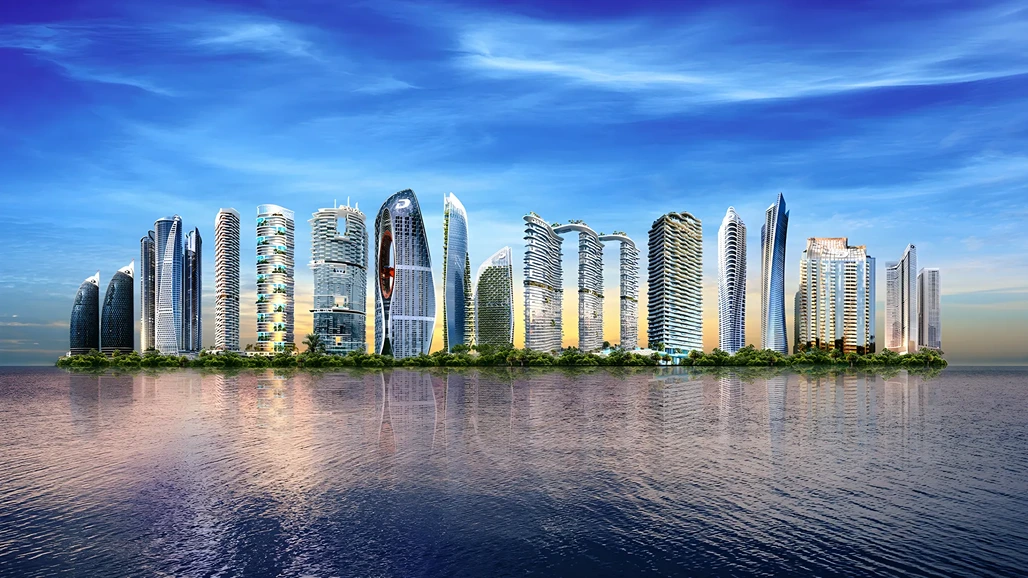
Off-plan properties for investment in Dubai appeal to buyers seeking new communities, modern specifications and phased payment structures. Purchasing before completion allows investors to enter during the development cycle.
Strong options are generally located in communities with credible master plans, clear infrastructure and genuine end-user demand. Investors should prioritise functional layouts, usable balconies, storage and amenities that support everyday living instead of decorative features alone.
Developer selection is essential. Buyers should review delivery performance, build quality, project registration and escrow arrangements. Dubai Land Department provides project-status services through Dubai REST, enabling investors to check completion information. Off-plan investment can support growth, but purchases should be based on verified documents and realistic comparisons.
Ready Apartments for Rental Income
Ready properties suit investors who prefer an existing asset with observable demand and immediate leasing potential. Buyers can inspect the building, assess maintenance, compare layouts and review the surrounding community before completing the purchase.
The best ready apartments are often near business districts, transport, education zones, lifestyle destinations and established retail. Investors should examine occupancy, comparable rents, service charges, unit condition, parking and the building’s reputation.
Ready apartments may offer greater clarity for financing and valuation. However, net performance depends on maintenance, management fees, vacancy, furnishing, service charges and tenant-preparation costs, not headline rental figures alone.
Villas and Townhouses for Family Demand
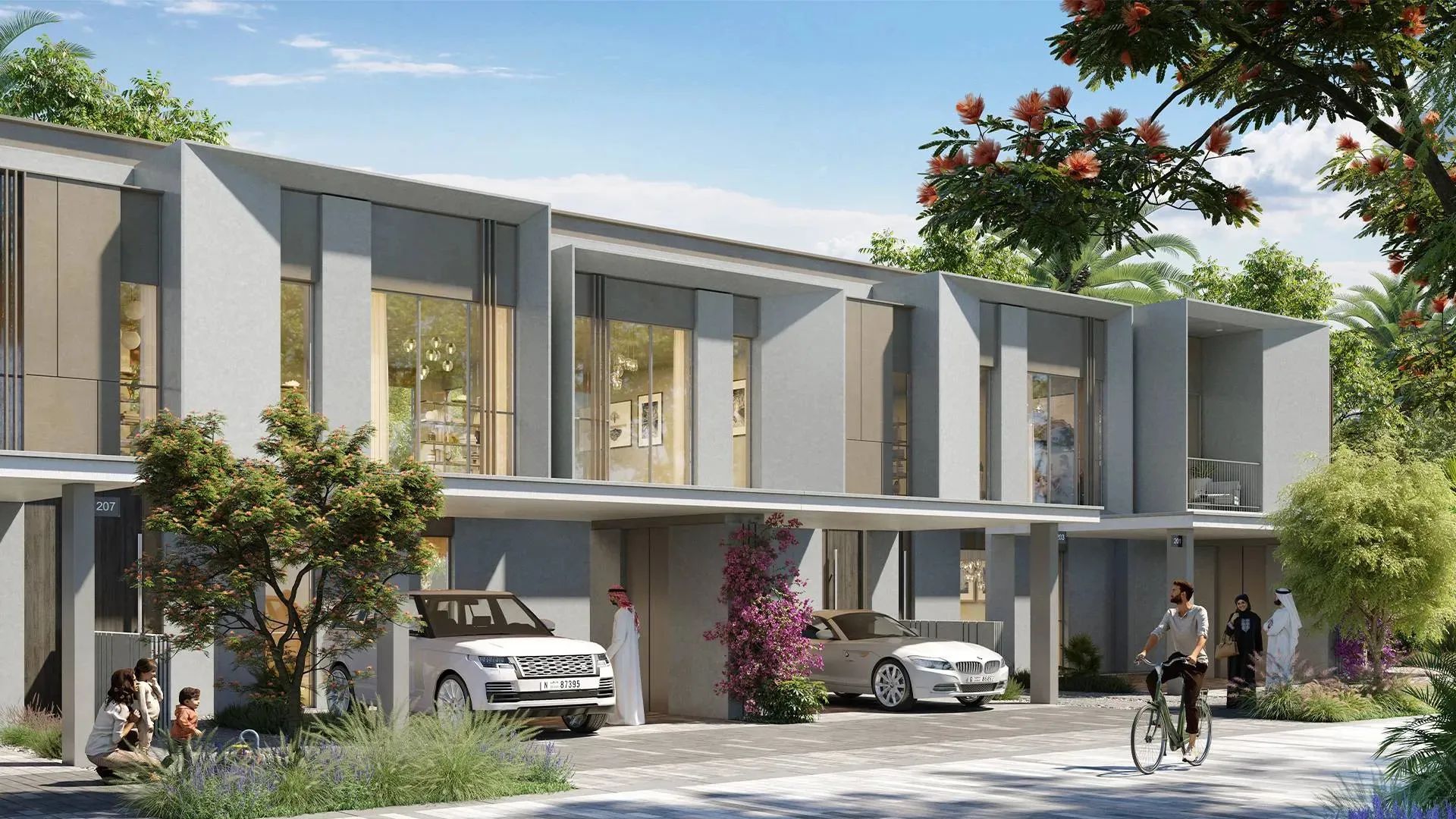
Villas and townhouses can be attractive when located in communities designed for long-term family living. Demand is commonly supported by schools, parks, healthcare, retail, community facilities and road access.
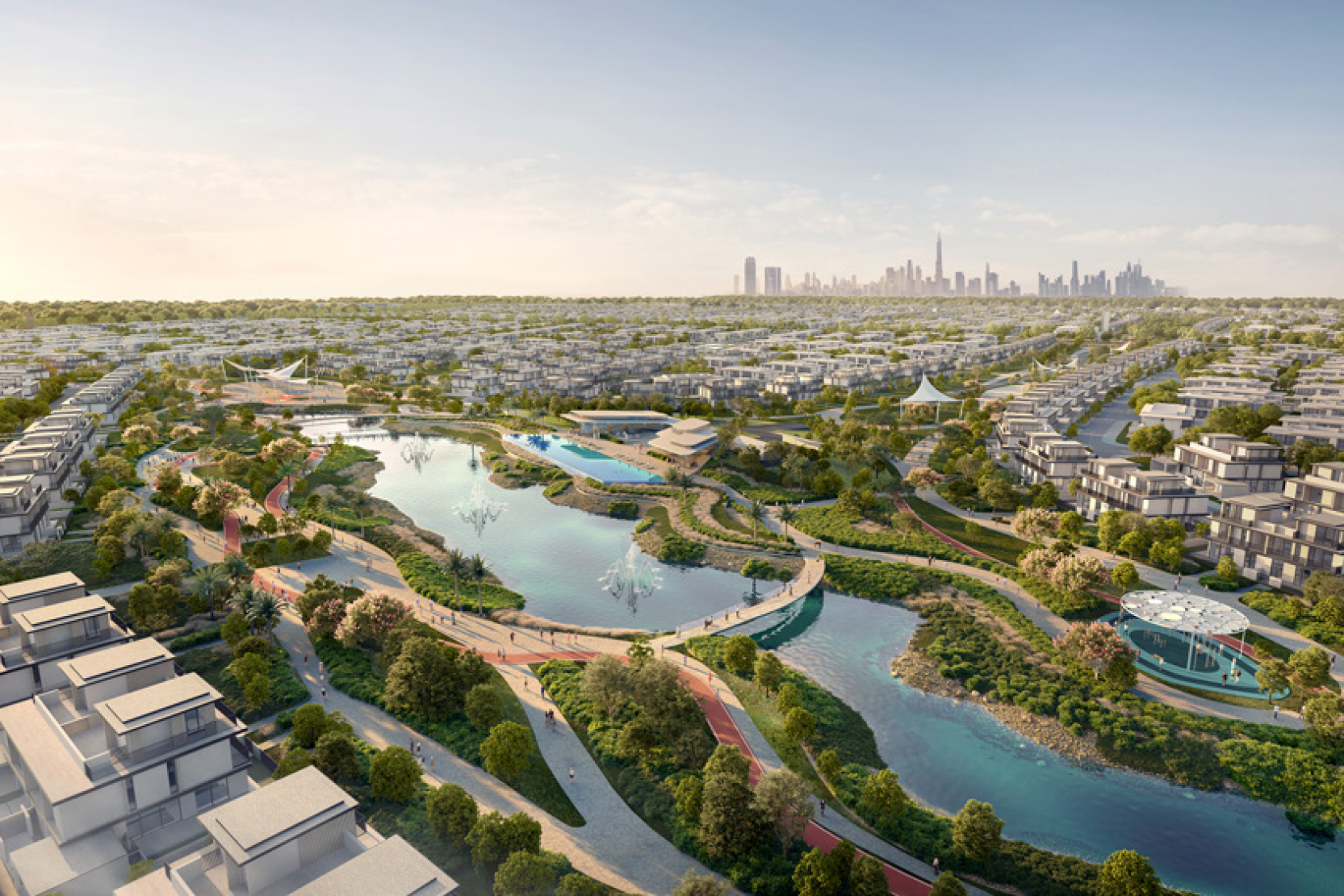
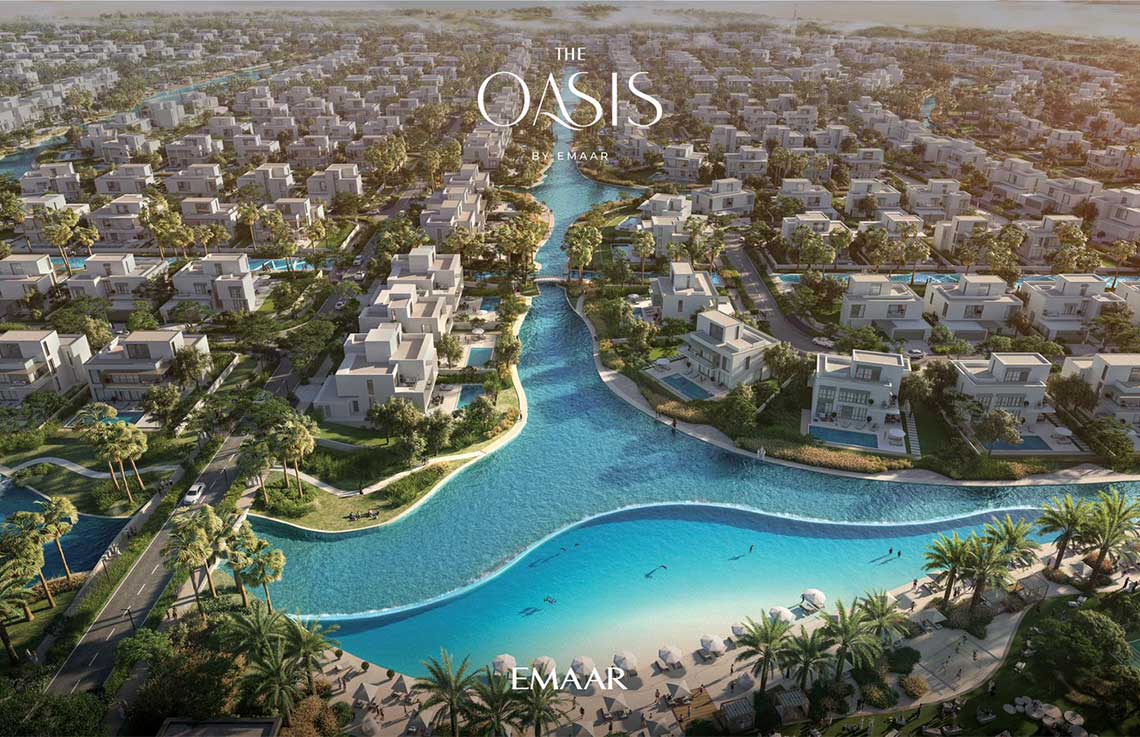
Family tenants value privacy, practical layouts, outdoor space and proximity to daily services. This can encourage longer occupancy than transient apartment markets. Dubai Hills Estate, The Valley, The Oasis, DAMAC Hills and other suburban destinations may appeal to buyers seeking family-oriented demand.
Investors should compare plot size, internal area, bedroom configuration, landscaping, community completion and future supply. A well-designed townhouse may offer broader resale appeal than an oversized property with high maintenance needs.
Waterfront and Luxury Properties
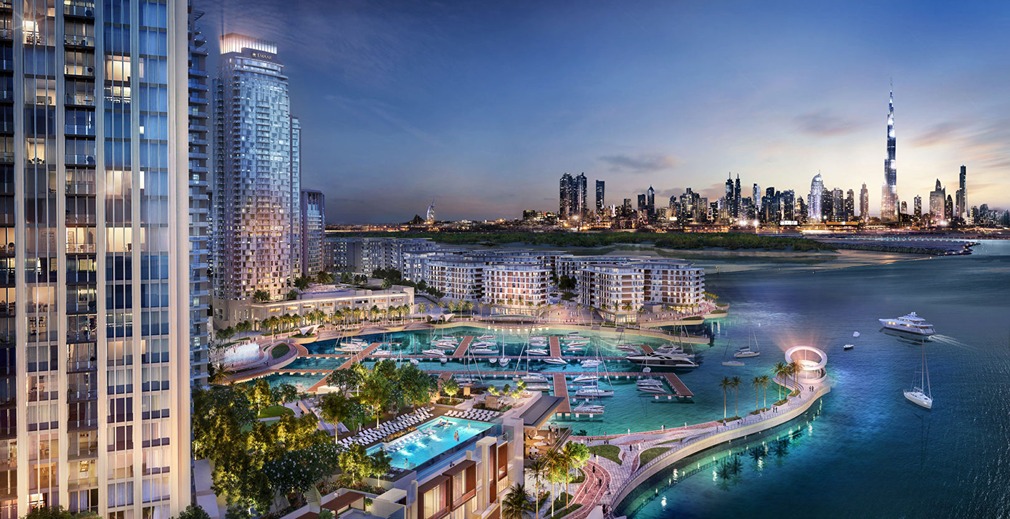
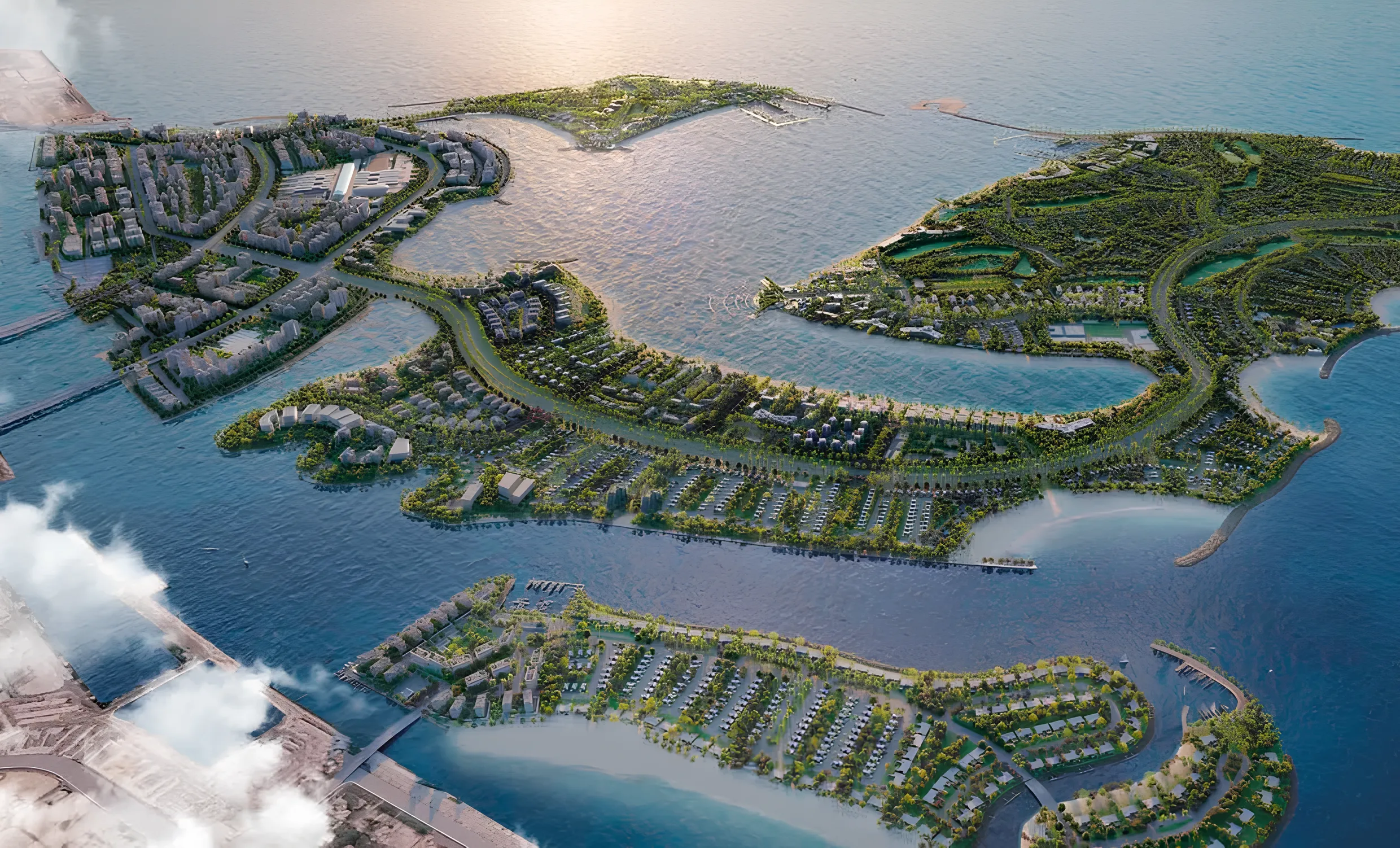
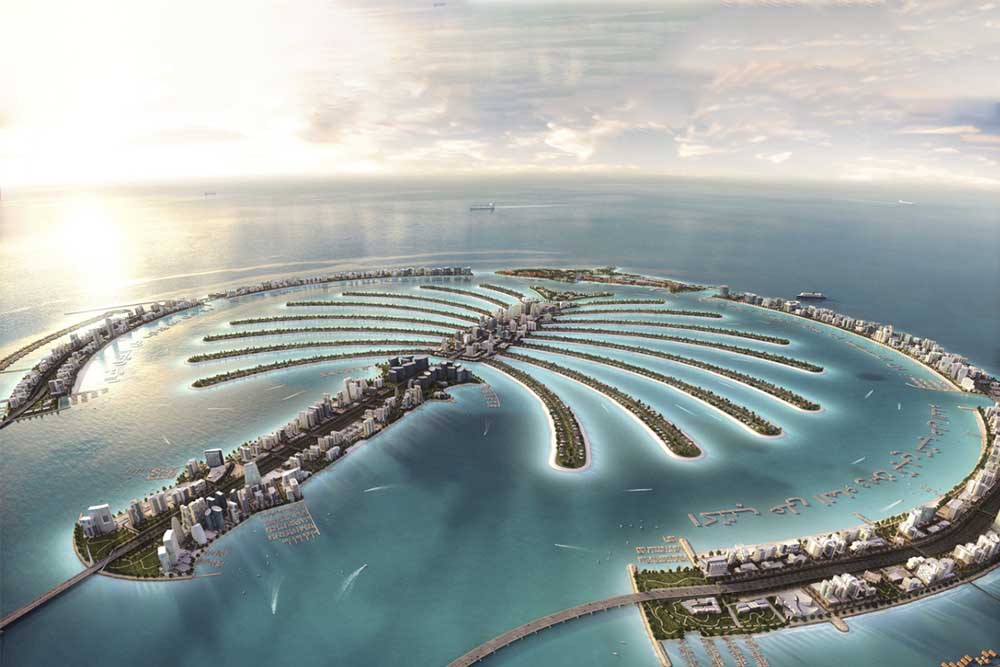
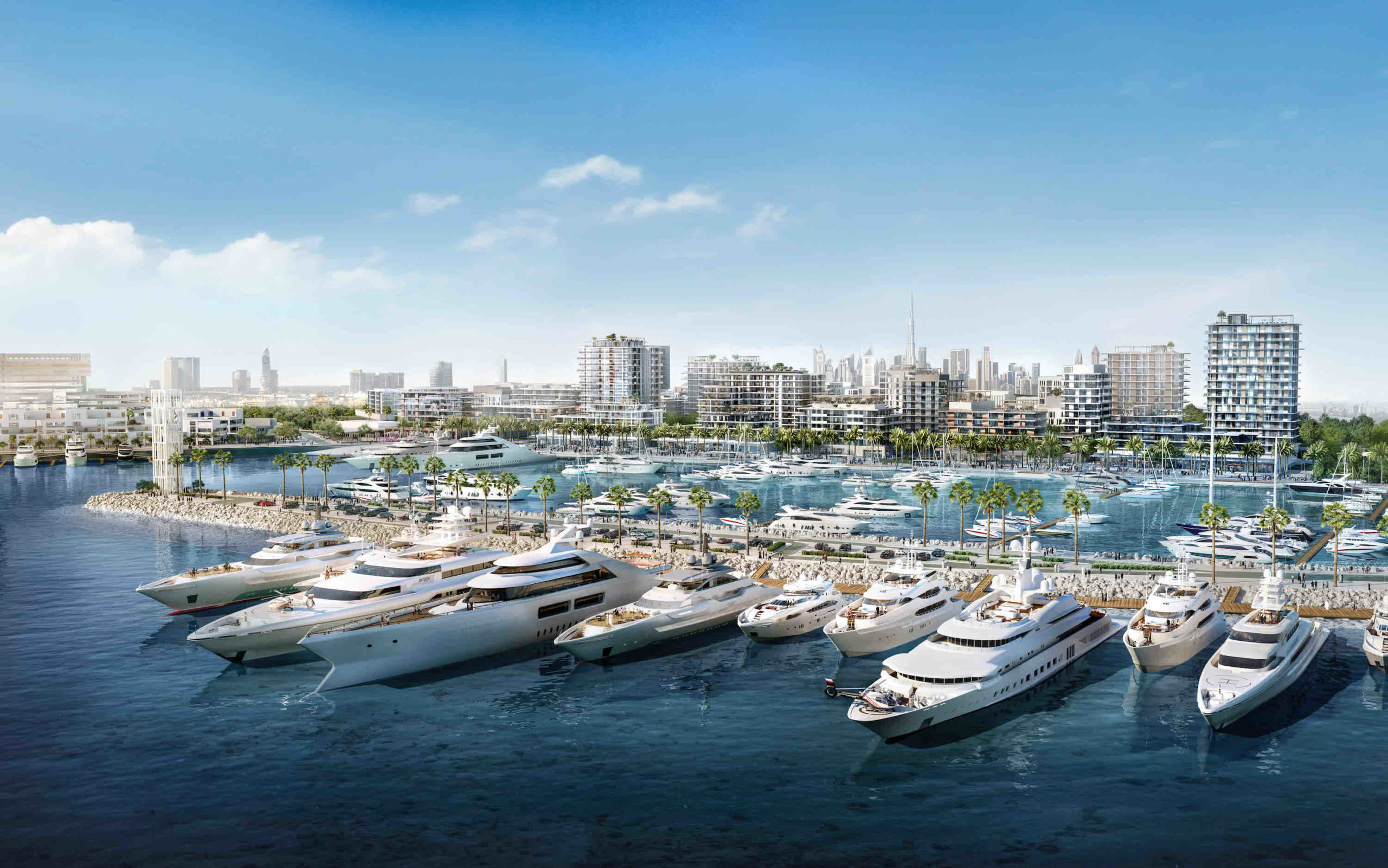
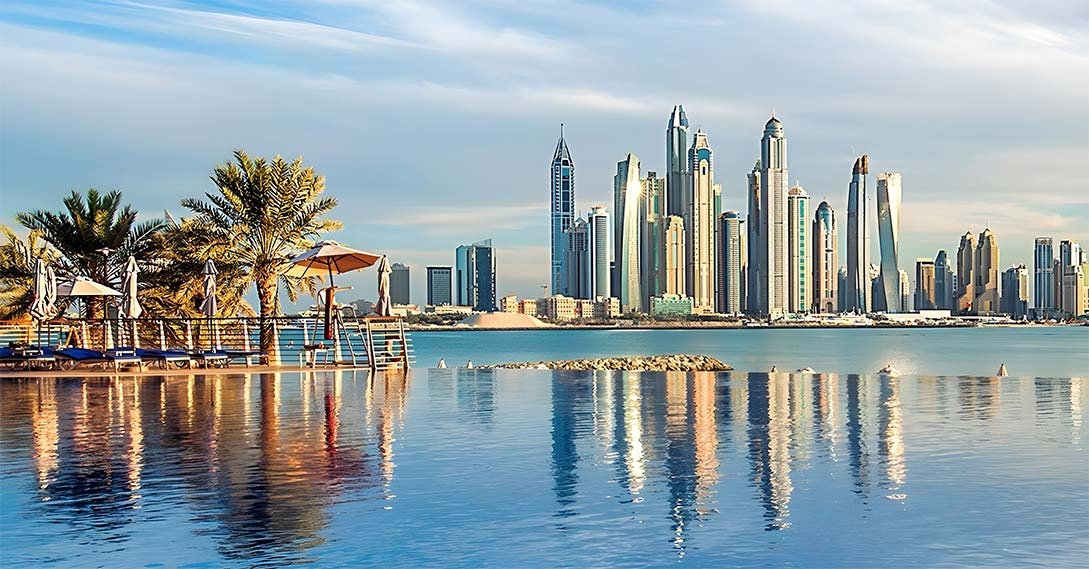
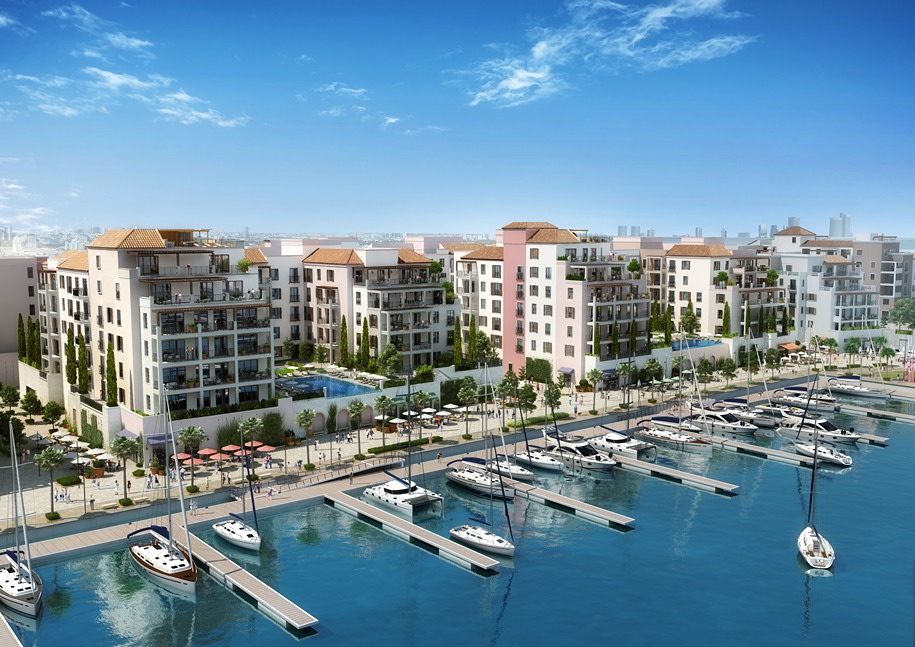
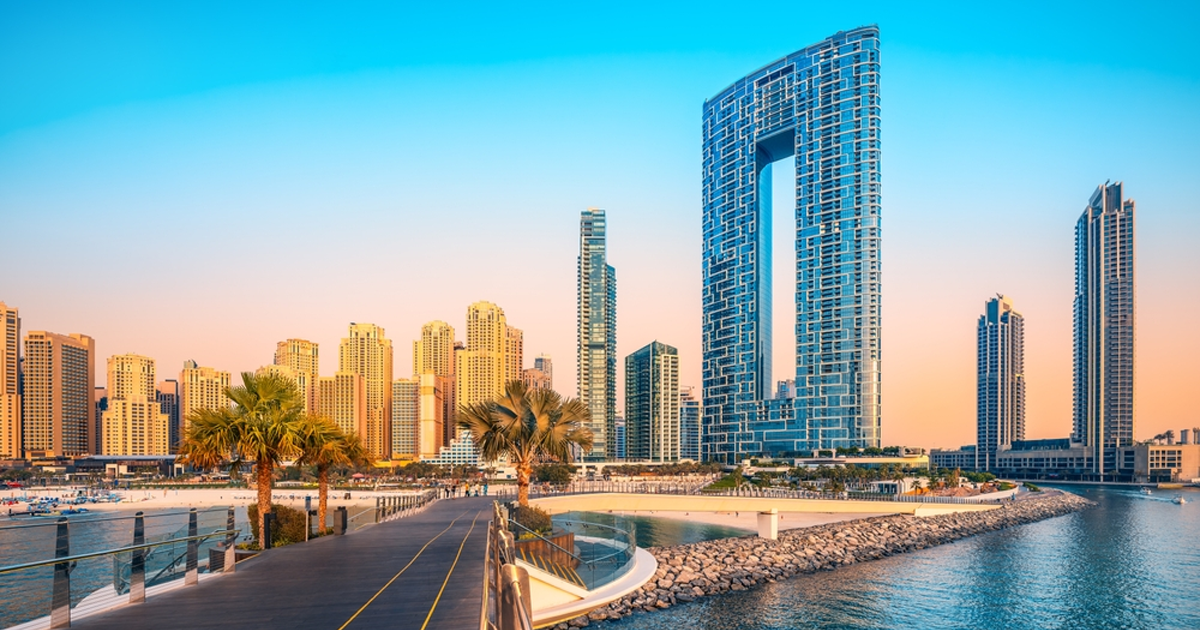
Waterfront property remains central to Dubai’s international identity. Dubai Marina, Palm Jumeirah, Emaar Beachfront, Dubai Creek Harbour, Rashid Yachts and Marina, Dubai Maritime City, Dubai Islands and Palm Jebel Ali offer coastal access, skyline views, marina living and luxury positioning.
The investment case is strongest when a location provides genuine scarcity, convenient access, quality public spaces and a recognised lifestyle. Investors should distinguish between direct waterfront positions and distant water views because rental and resale performance may differ.
Luxury property can preserve value when its design, privacy, views and service quality are difficult to reproduce. Investors must still consider service charges, buyer depth, holding period and resale timing.
Best Areas to Invest in Dubai Real Estate
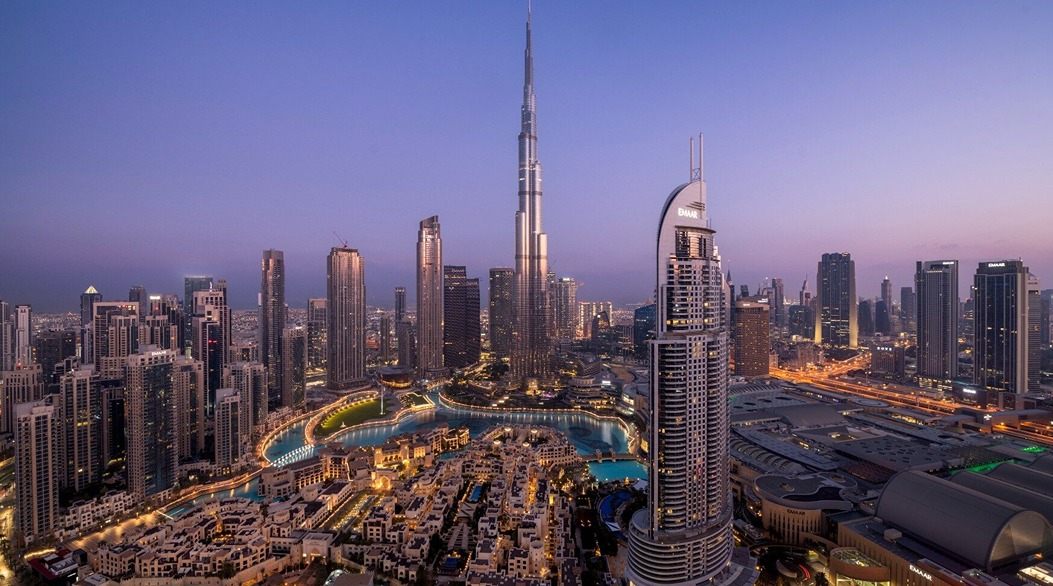
Downtown Dubai and Business Bay suit investors seeking proximity to commercial and lifestyle destinations. They can attract professionals and corporate tenants, although building quality and micro-location vary.
Dubai Marina and nearby coastal communities offer mature amenities, established demand and a recognised waterfront lifestyle. Traffic, building age, view protection and competing inventory require assessment.
Dubai Hills Estate combines neighbourhoods, green spaces, schools, retail and road connectivity. Its apartments, townhouses and villas serve varied tenant profiles.
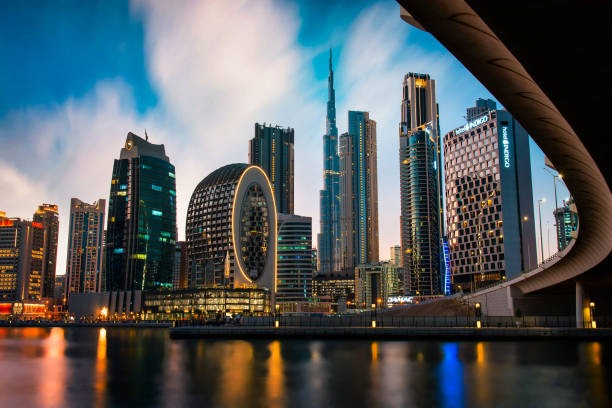
Dubai Creek Harbour offers modern waterfront living with long-term master-plan potential. It may suit investors seeking newer residences and future community growth.
Dubai South and Expo City represent a longer-term theme connected to aviation, logistics, exhibitions and infrastructure expansion. Investors should prioritise clear delivery plans and practical access.
Jumeirah Village Circle offers broad apartment choice and established leasing activity. Building-level checks are essential because quality, amenities and management differ.
Match the Property to the Investment Strategy
Investors seeking rental income should prioritise established demand, efficient layouts, manageable service charges and access to employment or transport. Those seeking capital growth may consider emerging communities and selected off-plan developments.
A balanced portfolio may combine a ready income-producing property with an off-plan asset intended for future appreciation. Shorter holding periods require greater attention to resale liquidity, while long-term investors can focus on community development and infrastructure.
The best choice is not necessarily the most luxurious property. It is the property that performs the correct role within the investor’s plan.
Essential Due Diligence Before Buying
Before selecting the Best Investment Properties in Dubai, investors should complete structured checks:
- Confirm that the developer, broker and project are registered. Review official information rather than promotional material alone.
- Verify title status, sale agreement, payment schedule, escrow information and completion terms. Independent legal review can clarify obligations.
- Compare similar properties in the same building and community. Focus on realistic rent and resale evidence.
- Review service charges, maintenance, management requirements and vacancy periods to estimate net performance.
- Study future supply, transport, schools, retail, employment centres and infrastructure that may influence demand.
- Inspect ready properties and arrange professional snagging where appropriate. Monitor off-plan construction through official channels.
Dubai Land Department provides services for checking registered developers, project progress, property status and escrow information. Using official records helps investors validate important details before proceeding with a transaction.
Developer Quality and Long-Term Value
A developer’s reputation can influence build quality, handover, community management and resale confidence. Established developers may provide stronger recognition, but every project requires individual assessment.
Investors should compare promised specifications with delivered projects. Quality extends beyond the unit to lifts, parking, security, landscaping, common-area maintenance and access routes, all of which affect tenant satisfaction and long-term value.
The master developer should also be considered. Well-managed communities with maintained landscaping, organised security, practical access and reliable facilities may achieve stronger tenant retention than developments where community management is inconsistent.
Plan the Rental and Exit Strategy
Every investment should begin with a target tenant and planned exit. A studio for professionals requires a different location and furnishing strategy from a family villa. A holiday home requires active management and regulatory compliance, while a long-term lease may offer more predictable occupancy.
Investors should also identify the likely future buyer. Properties with efficient layouts, strong views, credible developers and established communities may attract a wider resale audience. Highly specialised units can take longer to sell.
An exit strategy should consider the likely holding period, expected community development, competing supply and the stage at which a property may appeal to end-users or other investors. Planning these factors before purchasing reduces the risk of making decisions based only on short-term market movements.
Avoiding Common Property Investment Mistakes
One common mistake is selecting a property solely because it appears affordable compared with another area. A lower acquisition cost does not automatically create a better investment when tenant demand, service charges, construction quality or resale liquidity are weak.
Investors should also avoid relying on projected returns without examining how the estimate was calculated. Rental assumptions should reflect comparable properties, realistic occupancy and operating costs.
Another mistake is purchasing an unsuitable unit within an otherwise attractive community. Poor layouts, obstructed views, limited natural light, inconvenient parking and excessive internal space can reduce tenant and buyer interest.
Successful property investment requires attention to the complete asset rather than the project name alone.
How OffplanDXB.ai Supports Investors
OffplanDXB.ai helps buyers explore off-plan and ready properties, compare developers, review communities and identify options aligned with their goals. Investors can study property types, locations, handover timelines and development profiles in one place.
The platform can narrow a large market into a focused shortlist based on strategy, property type, location and investment horizon. Professional guidance does not replace due diligence, but it can make research and comparison more efficient.
By reviewing established neighbourhoods alongside upcoming master communities, investors can compare immediate rental opportunities with properties designed for longer-term growth. This structured approach makes it easier to identify suitable opportunities without being distracted by unsuitable listings.
Conclusion
The Best Investment Properties in Dubai are selected through research rather than speculation. Opportunities exist in central districts, family communities, waterfront destinations and emerging locations, but every property should be judged on its fundamentals.
By comparing location, developer credibility, unit efficiency, rental demand, service charges, community growth and resale liquidity, investors can make informed decisions. OffplanDXB.ai provides a practical starting point for exploring Dubai real estate investment opportunities and creating a shortlist aligned with long-term objectives.