Branded residences for sale in Dubai
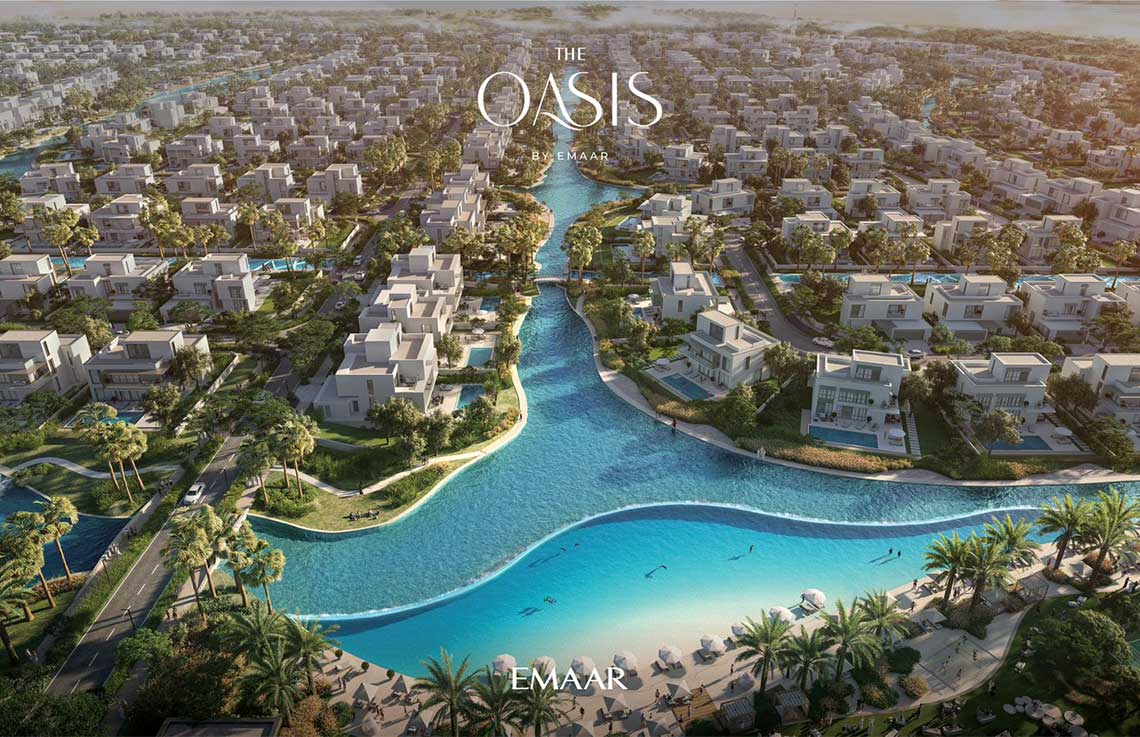
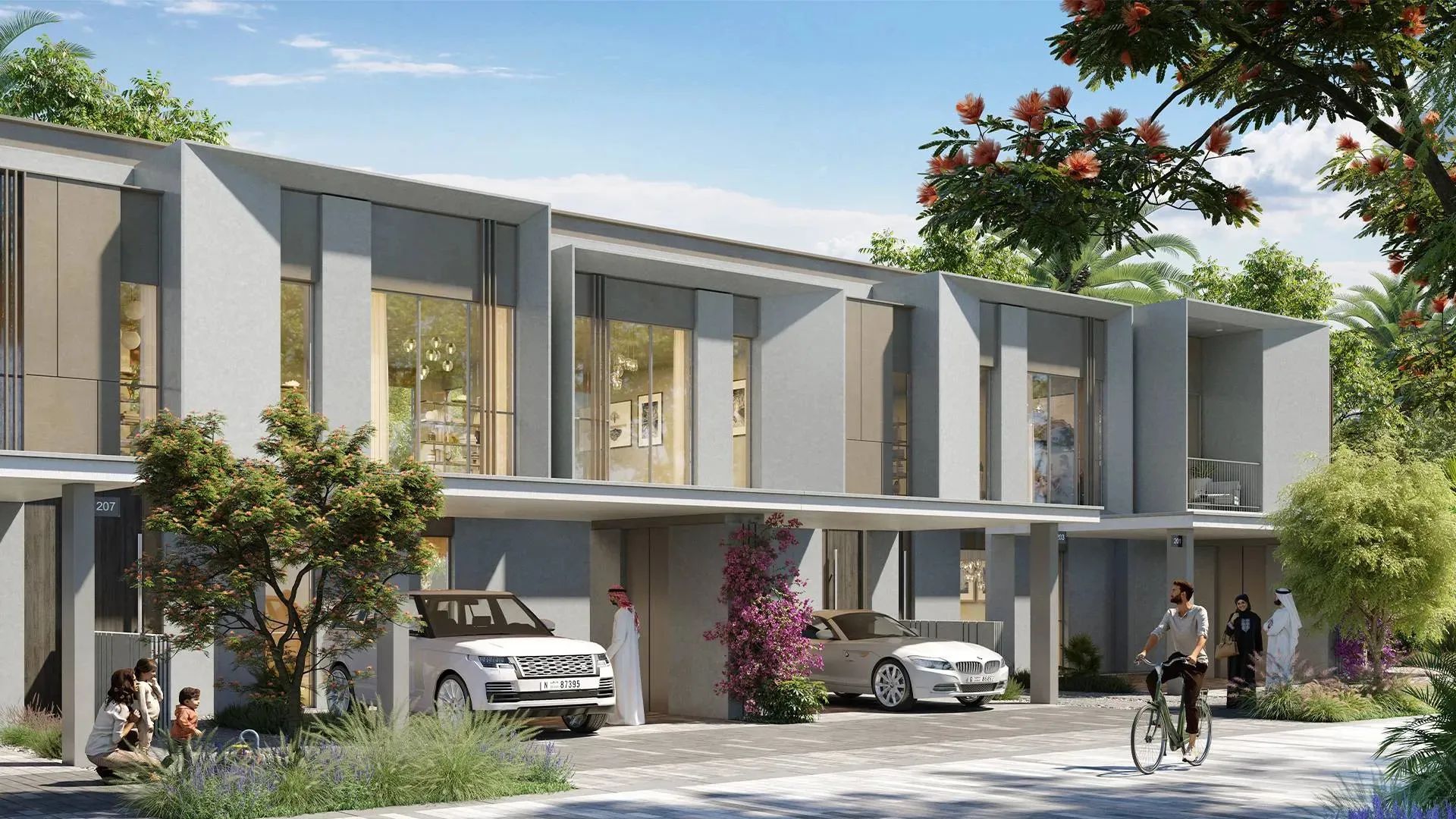
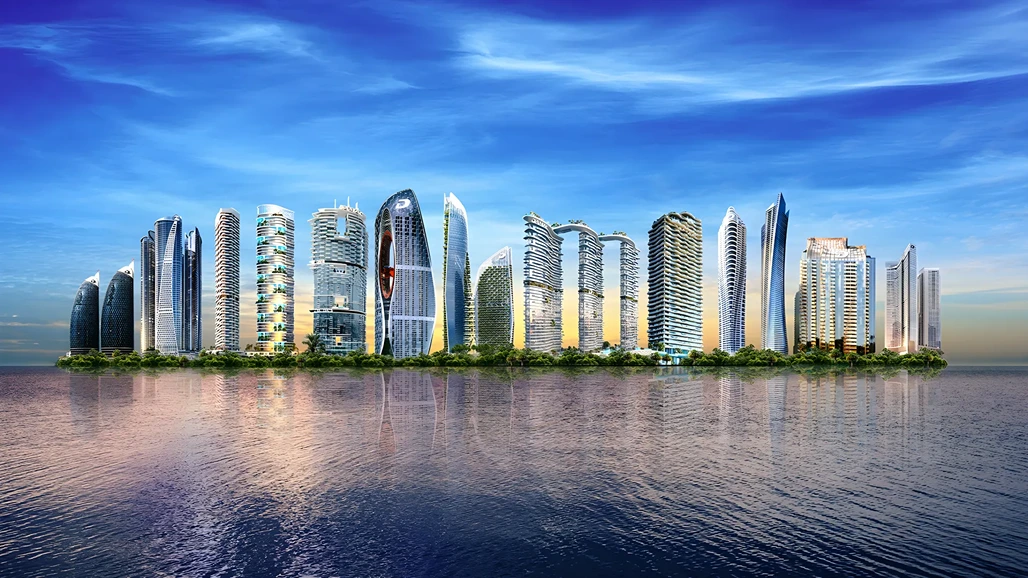
Dubai has established itself as one of the world’s leading markets for luxury real estate. Among its most visible offerings are branded residences—privately owned homes developed in association with international hotel groups, fashion houses, automotive brands, jewellery labels or lifestyle names. These properties aim to combine private ownership with elevated design standards and, in many cases, hospitality-style services.
The model has grown rapidly. Dubai now hosts one of the largest pipelines of branded residential projects globally, spanning completed buildings and a substantial volume of off-plan developments. Buyers are drawn by the promise of distinctive design, professional management and a recognisable name. Yet the brand alone does not determine quality, liveability or long-term performance. Location, developer track record, the actual scope of brand involvement, service charges, unit layout and market demand remain decisive.
This guide explains how branded residences work in Dubai, the different forms they take, the practical benefits and limitations, and the due-diligence steps every buyer should complete.
What Are Branded Residences?
Branded residences are residential units created through a formal collaboration between a property developer and an established brand. The brand’s contribution varies widely. In some projects the brand influences architecture, interior concepts, material selection and furniture. In others it extends to operational management, concierge services, housekeeping options or access to hotel facilities. A third category involves little more than a licensing agreement that places the brand name on the building and marketing materials.
Hotel-branded residences often sit alongside or within a hotel and may offer residents access to shared amenities and service standards associated with the hospitality operator. Fashion- or designer-branded projects typically prioritise visual identity and finishes. Automotive-branded schemes frequently emphasise design language, technology features and, in a few cases, specialised facilities for car enthusiasts. Standalone branded developments exist without an attached hotel and can provide a more purely residential atmosphere.
Because the depth of brand involvement differs from project to project, buyers should request clear documentation showing exactly what the brand contributes during design, construction and post-handover operations, and for how long the branding agreement remains in force.
Why Dubai Supports the Model
Dubai’s combination of modern infrastructure, international connectivity, a large expatriate and tourist population, and a regulatory framework for freehold property has made it an attractive location for branded residential concepts. Developers have partnered with a range of global names, producing apartments, duplexes, penthouses, townhouses and villas across established and emerging districts.
The market offers both ready and off-plan options. Off-plan purchases can provide choice of unit and payment plans linked to construction milestones, while ready properties allow inspection of finished quality, actual service levels and current rental demand. In both cases, official records held by the Dubai Land Department (DLD) and the Real Estate Regulatory Agency (RERA) form the foundation of proper verification.
Main Types of Branded Residences
Hotel-branded residences usually deliver the strongest operational component. Professional management, concierge support and maintained common areas are common. Optional paid services such as housekeeping or in-residence dining may be available. Exact inclusions and costs should be confirmed in the project documentation.
Fashion and designer residences translate a brand’s aesthetic into interiors, common areas and finishes. These projects appeal to buyers who value a coherent design identity. Their resale and rental performance still depends on location, unit efficiency and overall building quality rather than the name alone.
Automotive-branded residences often highlight precision design, technology and performance-inspired features. Some incorporate private vehicle access or display elements aimed at collectors. Functional residential quality and day-to-day liveability remain essential evaluation criteria.
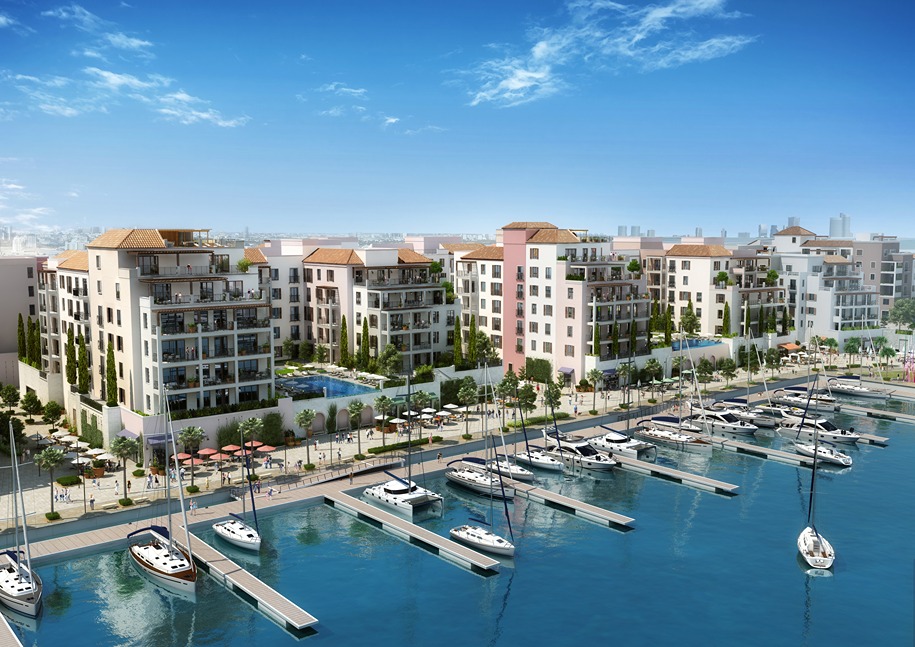
Standalone branded developments operate without an attached hotel. They can offer greater privacy and a quieter residential environment while still carrying brand-led design and selected services.
Key Locations
Location continues to exert the greatest influence on both lifestyle and investment outcomes. Even a well-known brand cannot fully compensate for weak accessibility, limited surrounding infrastructure or excess competing supply.
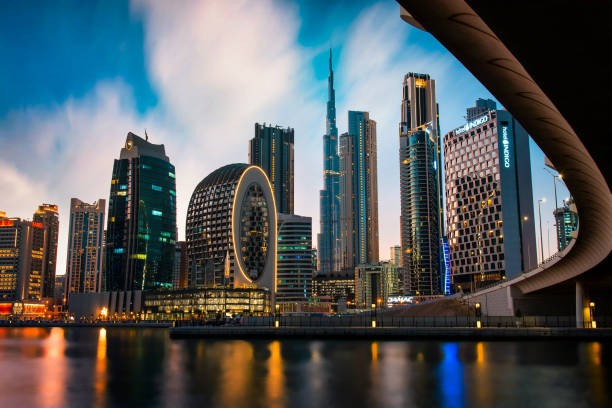
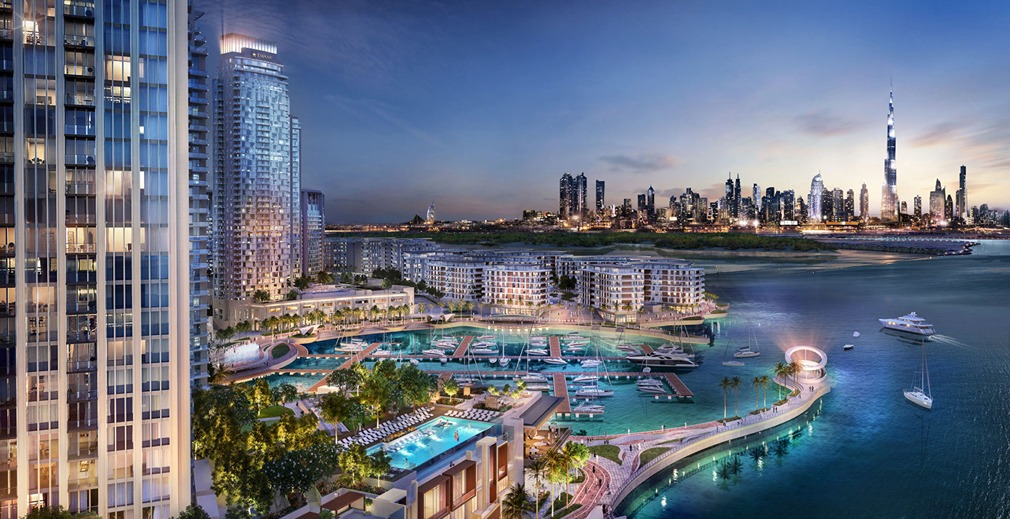
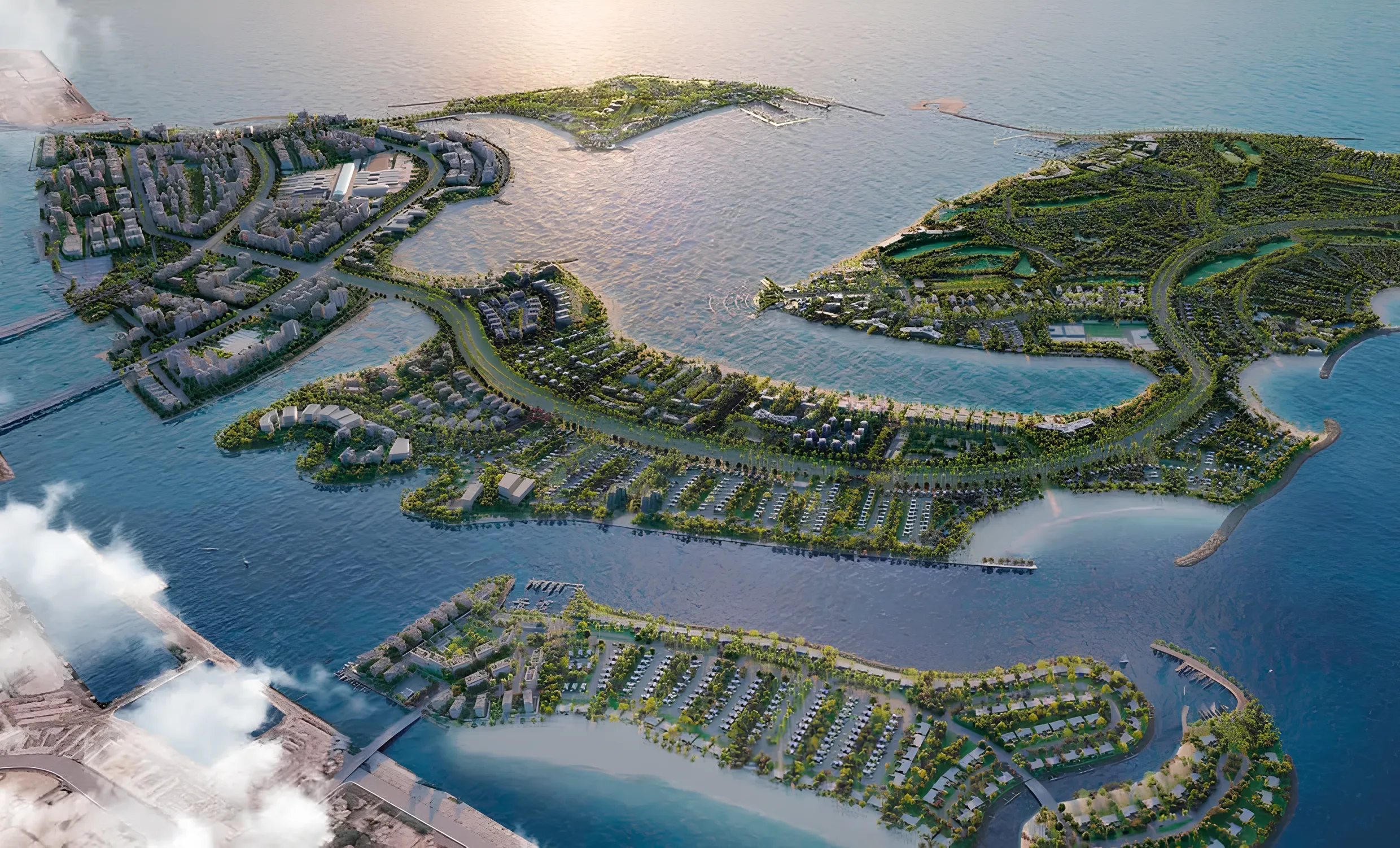
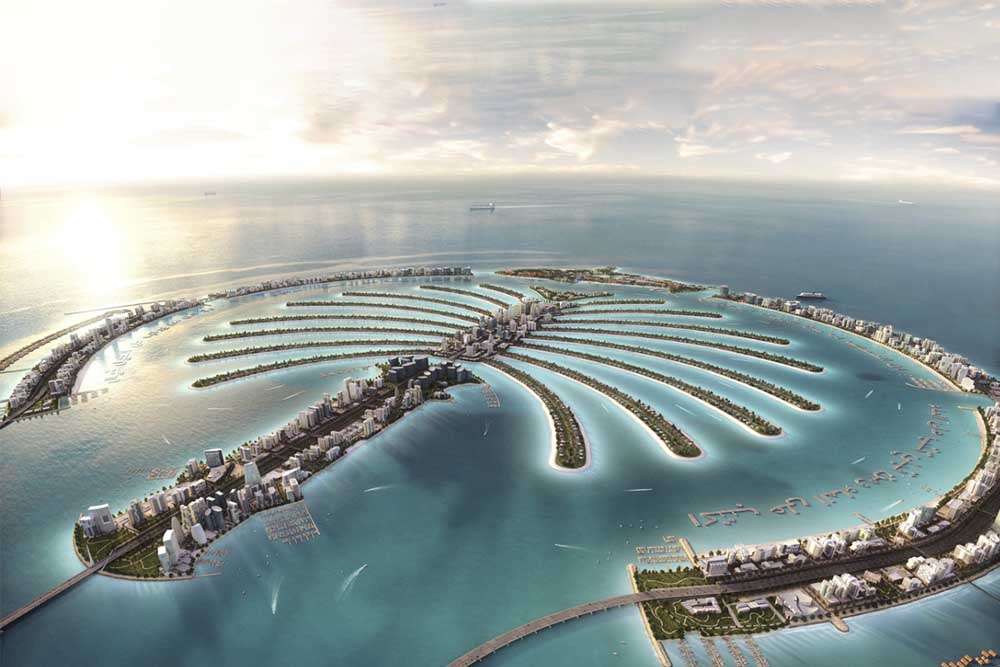
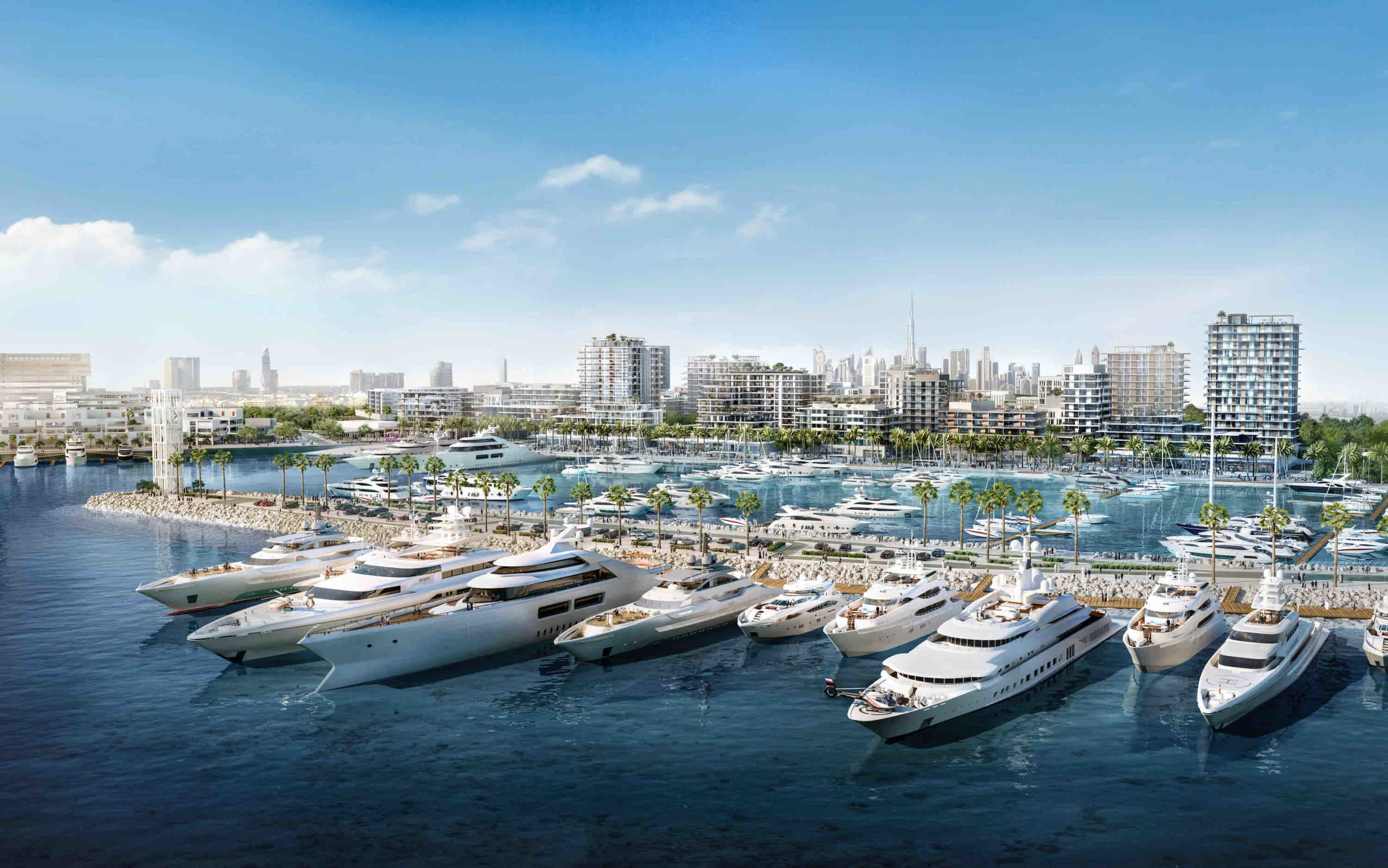
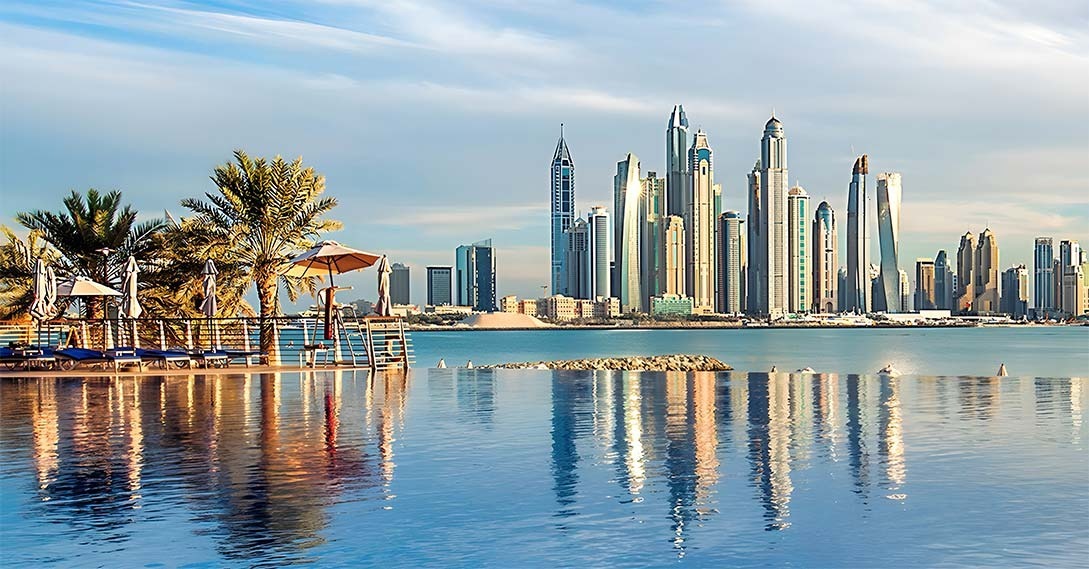
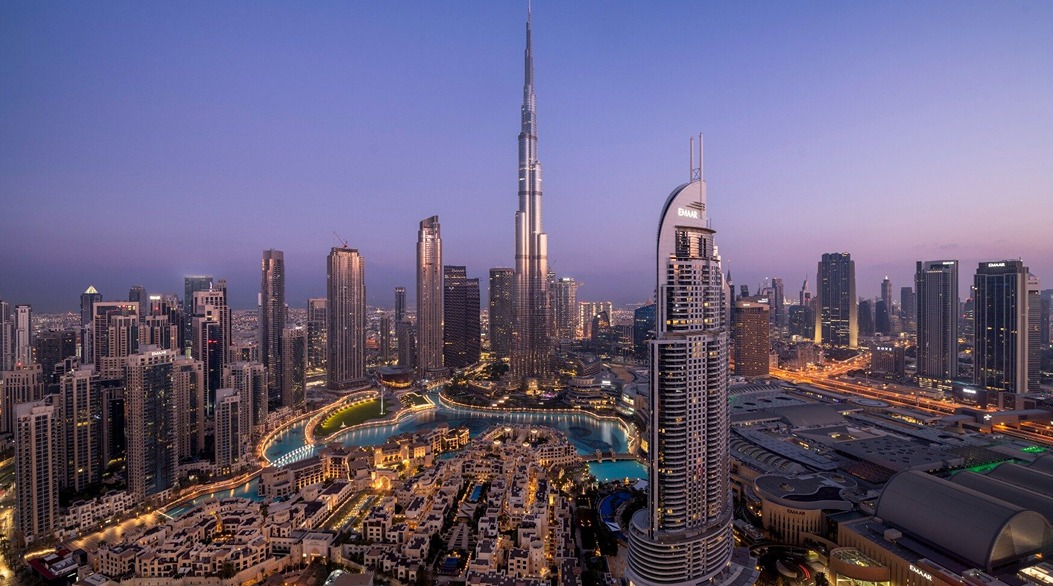
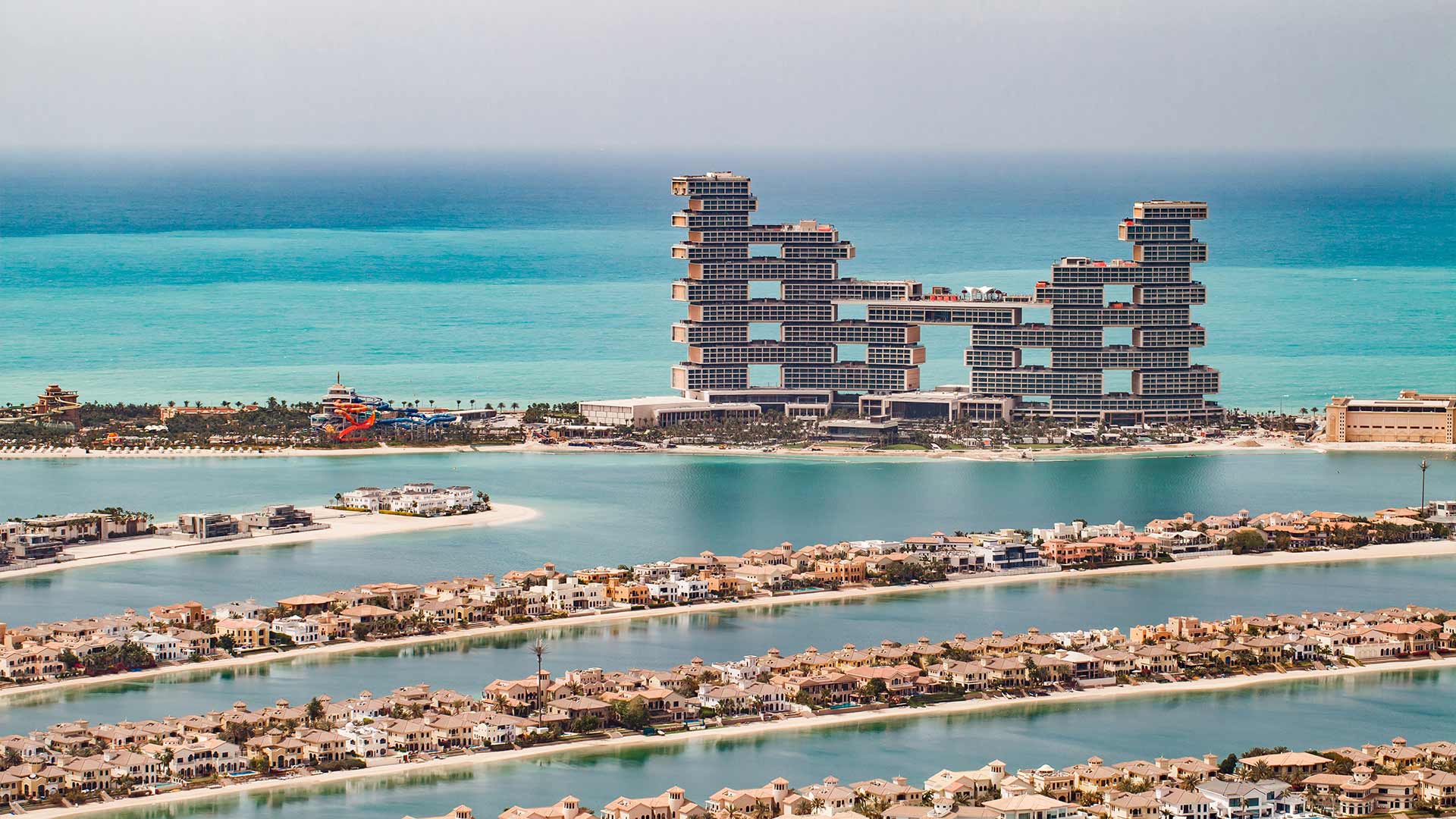
Downtown Dubai attracts buyers seeking proximity to major landmarks, retail and business districts. Business Bay offers modern high-rise living close to Downtown with canal-facing options. Palm Jumeirah remains associated with beachfront and resort-style living. Dubai Marina provides established waterfront communities with strong international recognition. Newer waterfront master-plans such as Dubai Creek Harbour and Dubai Islands are expanding the range of options for buyers prepared to accept the risks and timelines of developing areas.
Within any district, specific factors—views, floor level, distance to amenities, traffic patterns and future supply—should be examined unit by unit.
Realistic Benefits and Limitations
A credible brand association can support consistent design standards and a clear visual identity. Professionally managed buildings often maintain common areas to a higher standard and may offer convenient resident services. For some international buyers the familiarity of a recognised name provides additional confidence.
These advantages are not automatic. Material quality, spatial efficiency, natural light, storage, privacy and acoustic performance vary between projects even under the same brand family. Service charges for buildings with extensive amenities and hospitality-style staffing frequently sit at the higher end of the Dubai range. Annual costs should be modelled carefully against expected rental income or personal occupancy patterns.
Branding agreements are contractual and time-limited. In some cases the brand’s ongoing role is limited to licensing; in others the brand or an affiliated operator manages day-to-day services. Buyers should understand what happens if the agreement ends or is varied. Resale and rental demand are driven primarily by location, unit characteristics, condition and competing supply rather than the logo itself.
Investment Considerations
Branded residences can command a price premium over comparable non-branded stock. Reported averages often fall in the 25–40 per cent range, though the figure varies significantly by brand strength, location, operational depth and market cycle. Premiums are not guaranteed to hold on resale, and some units have traded below original purchase prices when fundamentals were weak.
Rental performance depends on unit size, layout, furnishing, views, accessibility and the strength of local demand. Short-term letting rules, if permitted, are subject to regulatory requirements. Ownership costs—including service charges, potential furniture packages and any operator fees—must be subtracted from gross income to arrive at realistic net yields.
A sound assessment compares the branded property with high-quality non-branded alternatives in the same location, using conservative assumptions for occupancy, rent growth and holding period. Independent valuation advice and a review of recent transaction data are advisable.
Off-Plan Versus Ready Properties
Off-plan branded residences may offer wider choice of layouts and positions and the ability to enter a project at an earlier stage. Buyers must verify DLD project registration, the existence of a RERA-approved escrow account, the developer’s delivery record and construction progress (available through the Dubai REST platform). Payment schedules should be milestone-linked and funds should flow only into the designated escrow account.
Ready branded residences allow physical inspection of finishes, amenities and the surrounding environment. Service standards and actual management quality can be observed, and current rental demand is more transparent. The trade-off is typically a higher entry price and more limited remaining unit selection.
Essential Due Diligence
Before committing to any branded residence, buyers should systematically review:
- Developer registration and completed-project track record with the DLD
- Project registration number, escrow account details and construction status via Dubai REST
- Exact scope and duration of the branding and management agreements
- Detailed service-charge schedule and comparison with the DLD Service Charge Index
- Unit specifications, furniture inclusions (if any), layout efficiency and views
- Ownership, usage and short-term letting restrictions
- Handover conditions, defect liability periods and any retention arrangements
- Payment milestones and the legal form of the sale and purchase agreement
Independent legal advice is strongly recommended to interpret the contract and associated obligations. Financial modelling should include realistic ownership costs and exit assumptions.
Conclusion
Branded residences form a distinctive and active segment of Dubai’s luxury market. When a strong brand is paired with a proven developer, an excellent location, functional design and reliable long-term management, the result can be a high-quality home or investment. When branding is used primarily as a marketing device without corresponding substance, the premium paid may not be justified by day-to-day experience or future performance.
The most reliable outcomes come from treating the brand as one factor among many, verifying every claim against official records, and comparing options rigorously. Careful research, professional advice and a clear understanding of personal objectives remain the best foundation for any purchase decision in this segment.