







Furnished apartments dubai
Dubai’s residential market attracts professionals, families, and international investors seeking convenience, quality, and long-term potential. Furnished apartments form a significant part of that market. They offer move-in readiness that appeals to people relocating for work, education, or short-to-medium stays, as well as to investors who want faster occupancy and simpler marketing.
This guide explains what “furnished” actually means in Dubai, the real advantages and drawbacks, the most relevant locations, off-plan considerations, and the practical checks every buyer should make. The goal is clarity rather than sales messaging.
Why Furnished Apartments Attract Demand
Dubai has a large international population and a high rate of professional mobility. Many arrivals prefer homes that can be occupied immediately. A furnished apartment removes the need to source furniture, coordinate deliveries, and manage installation while dealing with visas, schools, or a new job.
For investors, furnished units often rent more quickly in high-turnover locations and can command higher gross rents—commonly 15–30 % above comparable unfurnished stock in areas such as Dubai Marina, Downtown Dubai, Business Bay, and parts of Jumeirah Village Circle (JVC). Corporate tenants and short-to-medium-term professionals frequently prioritise convenience.
However, higher gross rent does not automatically translate into higher net yield. Furniture depreciates, requires maintenance or replacement, and increases management complexity. In communities dominated by long-term family tenants, unfurnished or semi-furnished units often deliver more stable occupancy with lower ongoing costs. Location, layout, building management, and tenant profile remain more important than the furniture package itself.
What Furnished and Semi-Furnished Usually Mean
There is no single legal definition in Dubai. Contents vary by developer and project. Buyers must obtain the official furnishing schedule and handover specifications before committing.
A typical fully furnished apartment includes:
- Beds and mattresses
- Wardrobes or built-in storage
- Sofas and living-room seating
- Dining table and chairs
- Curtains or blinds
- Lighting fixtures
- Kitchen cabinets and major appliances (refrigerator, cooking hob/oven, washing machine, sometimes microwave or dishwasher)
Premium projects may add custom joinery, coordinated décor, smart-home systems, or higher-specification appliances. Soft furnishings such as linens, towels, and kitchenware are rarely included unless the unit is operated as a hotel apartment or serviced residence.
Semi-furnished units usually provide kitchen appliances and built-in wardrobes but exclude movable furniture. Always confirm the exact inventory in writing. Marketing images are frequently illustrative and may not reflect the final delivered package or quality.
Practical Benefits and Realistic Limitations
Benefits
- Immediate usability for end-users and faster time-to-market for investors.
- Professional interior coordination that can present better than ad-hoc furniture purchases.
- Reduced decision-making after handover, allowing focus on other relocation or investment tasks.
Limitations
- Higher purchase or rental cost relative to unfurnished stock.
- Ongoing replacement and maintenance expenses for soft furnishings, mattresses, and appliances.
- Potential mismatch between furniture quality and everyday durability.
- Less flexibility to personalise the space.
- Higher security deposits in many rental contracts (often 10 % of annual rent versus 5 % for unfurnished).
Investors should model net returns after furniture depreciation, maintenance, and management fees rather than relying solely on the gross rental premium.
Key Locations for Furnished Apartments
Demand is strongest where professional density, transport links, and lifestyle amenities overlap.
Downtown Dubai:
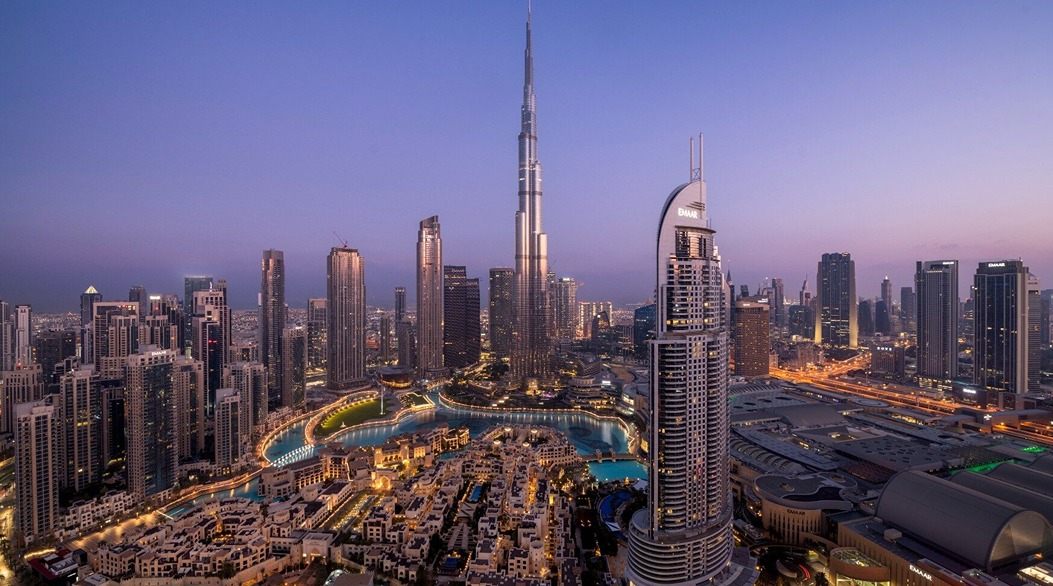
Central, landmark-driven, strong appeal to professionals and international residents. Higher prices and solid rental depth, though yields are typically more modest.
Business Bay:
Mixed-use, canal-side, convenient for DIFC and Downtown workers. Good selection of furnished one- and two-bedroom units.
Dubai Marina:
Waterfront living, promenades, metro access, and established short-term demand. Consistent interest from both long-term and holiday-home tenants.
Jumeirah Village Circle (JVC):
Community-oriented, more accessible pricing, parks, and retail. High transaction volumes and competitive yields; popular with first-time buyers and yield-focused investors.
Dubai South:
Growing around airport and Expo City infrastructure. Attracts buyers looking at longer-term development potential.
Dubai Creek Harbour:
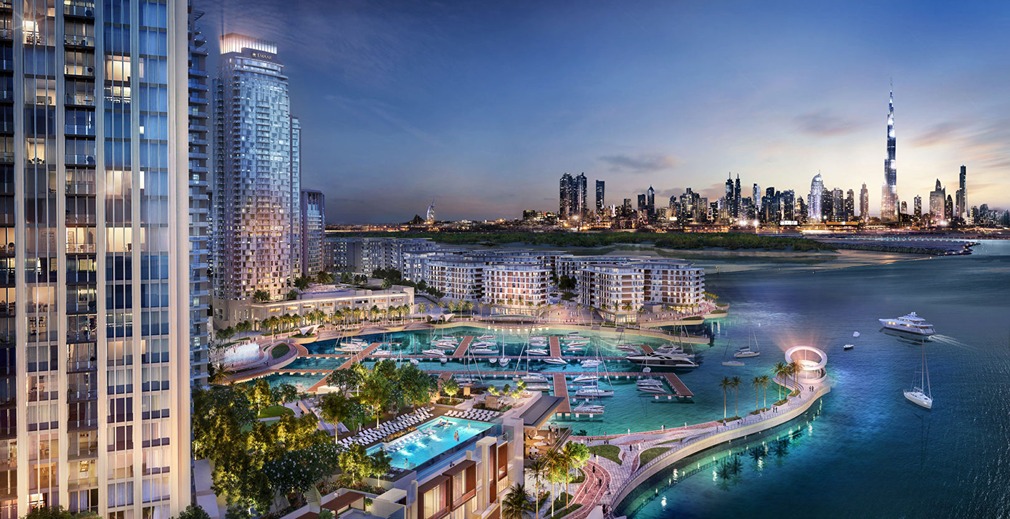
Master-planned waterfront environment with modern stock and skyline views. Quieter than the Marina yet connected to central Dubai.
Other areas such as Jumeirah Lake Towers, Al Furjan, and parts of Dubai Hills Estate also carry furnished inventory. Choice should match lifestyle needs, commute patterns, and target tenant profile rather than prestige alone.
Off-Plan Furnished Apartments: Opportunities and Risks
Many new projects launch with furniture packages, modern layouts, and amenity-rich master communities. Off-plan purchase can offer staged payment plans, choice of unit type and view, and entry before full infrastructure completion.
Essential checks include:
- Developer delivery history on previous projects
- Project registration with the relevant authorities and escrow arrangements
- Construction progress and realistic handover timelines
- Exact furniture inventory, materials, and any warranties
- Service-charge estimates and what they cover
- Resale restrictions before handover
Construction delays remain possible. Marketing visuals and show-unit quality may differ from the final apartment. Buyers should treat the sales and purchase agreement as the definitive document. Off-plan works well for many investors and end-users when the developer is proven and the location fundamentals are strong; it is not risk-free.
Comparing Options Effectively
Define the primary purpose first. Then shortlist communities that match that purpose. Compare developers, building management records, exact floor plans, furniture packages, expected service charges, and contractual terms side by side.
Independent market data from portals and advisory reports provide useful benchmarks for prices and yields, but every unit is different. Professional advice from a licensed broker or legal review of the sales agreement is advisable for larger commitments, especially off-plan.
Smart-Home Features and Long-Term Ownership
Newer projects increasingly include smart lighting, climate control, security, and app-based systems. These can improve convenience, particularly for overseas owners, provided the systems are reliable and maintenance responsibilities are clear. Technology should support daily living rather than add complexity or recurring subscription costs.
Once owned, a furnished apartment requires ongoing care of both the structure and its contents. Maintain an inventory with condition notes, especially if renting. Clear communication with property managers about furniture responsibilities reduces disputes at the end of tenancies.
Conclusion
Furnished apartments in Dubai offer genuine convenience for end-users and a marketing advantage for certain investor profiles. Their value depends far more on location, layout, developer reliability, and realistic cost modelling than on the presence of furniture alone.
Buyers who verify exact inclusions, study the floor plan carefully, research the developer’s track record, and match the property to their actual use case are better positioned to achieve both lifestyle satisfaction and sound financial outcomes. Off-plan opportunities exist, but they require the same disciplined checks as any other property purchase.
A balanced approach—focusing on fundamentals rather than promotional imagery—remains the most reliable path in Dubai’s dynamic residential market.