








Investment apartments Dubai
Dubai has developed into one of the world’s most recognised destinations for property ownership, supported by modern infrastructure, international connectivity, business-friendly policies and a diverse resident population. For buyers seeking an asset that can combine rental income with long-term growth potential, Investment apartments Dubai are an increasingly relevant option. The city offers everything from compact urban residences to spacious waterfront homes, allowing investors to select properties that suit different budgets, tenant profiles and strategies without compromising on quality or location.
Successful apartment investment requires more than choosing an attractive building. Location, developer reputation, unit efficiency, supply and tenant demand all influence performance. This guide explains the factors that matter when comparing properties and how OffplanDXB.ai can support informed decisions.
Why Dubai Attracts Apartment Investors
Dubai’s appeal combines lifestyle quality and commercial strength. The emirate attracts professionals, entrepreneurs, families and international companies, creating housing demand across multiple districts. Its global connectivity, transport networks and expanding mixed-use communities add to its practicality. Investors can choose homes near business districts, beaches, schools or emerging infrastructure corridors and build a strategy around a specific audience.
Key advantages include:
- A large and varied tenant base
- Freehold ownership opportunities in designated areas
- A wide selection of ready and off-plan apartments
- Modern buildings with lifestyle-led amenities
- Strong international appeal and global connectivity
- Regulated property registration and transaction processes
- Opportunities across established and developing communities
These qualities do not guarantee a return, but they create a supportive environment for investors who conduct proper research and select carefully.
What Makes Investment Apartments Dubai Attractive?
Apartments often appeal to a broad tenant pool, including professionals, couples, small families and corporate occupants. Buildings may include security, maintenance, fitness facilities, pools and social spaces, which can improve convenience. Studios and one-bedroom apartments may suit efficient urban living, while larger homes can attract families. The best configuration depends on local demand: a compact unit near a commercial centre may perform differently from a family apartment near schools and parks.
Off-Plan or Ready Apartments: Which Is More Suitable?
Both categories can play a valuable role in a Dubai apartment investment strategy, but they suit different priorities.
Off-Plan Investment Apartments
Off-plan apartments are purchased before construction is complete. They can provide access to new designs, contemporary amenities and emerging communities. Staged payment plans may help buyers manage capital during construction. Key considerations include the developer’s track record, contractual terms, project registration, expected completion and future supply. Buyers should review agreements carefully and verify information through official channels. Appreciation is never certain, as market conditions and timelines can change.
Ready Investment Apartments
Ready properties allow investors to inspect the unit and building before buying and may offer a quicker path to rental income. Existing communities provide observable evidence such as rents, condition, facilities and tenant demand. Investors should still examine maintenance, service charges, occupancy and comparable transactions; weak management or an inefficient layout can undermine a strong address.
The choice should reflect the investor’s time horizon, cash-flow requirements, risk tolerance and preference for either immediate visibility or future development potential.
Best Areas for Apartment Investment in Dubai
There is no single best location for every investor. The right area depends on the intended tenant, holding period and desired balance between rental demand and capital growth. Several community types deserve consideration when exploring the best areas for apartment investment in Dubai.
Established Central Districts
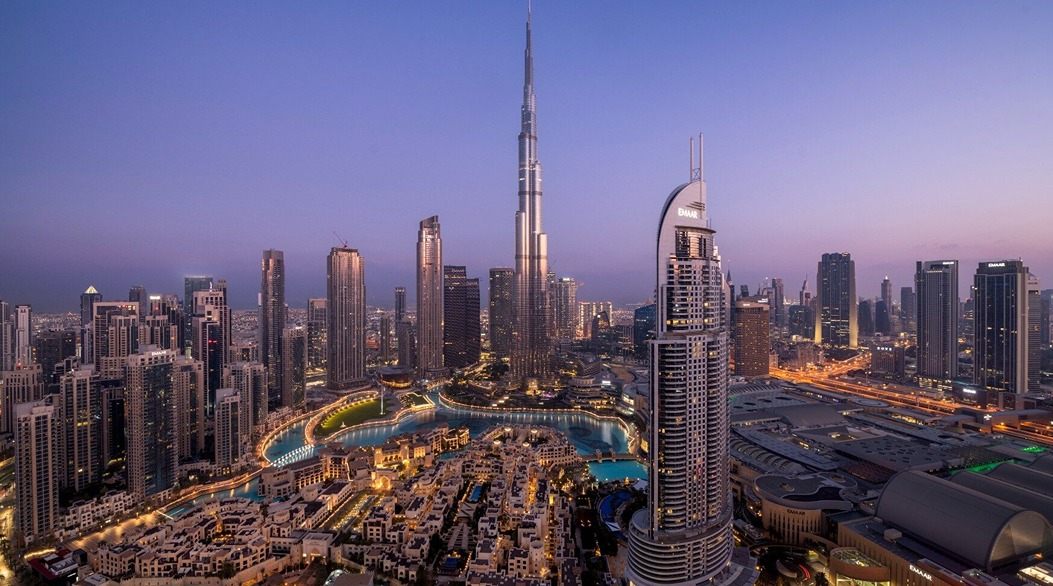
Downtown Dubai and Business Bay appeal to residents who value access to commercial centres, hospitality and landmark attractions. Investors should compare buildings individually because management, views, layouts and access vary considerably.
Waterfront Communities
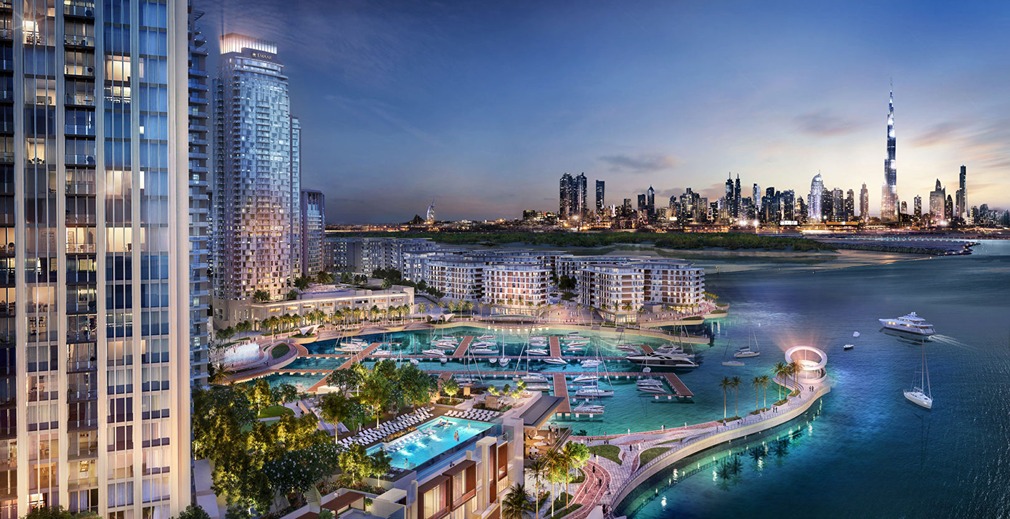
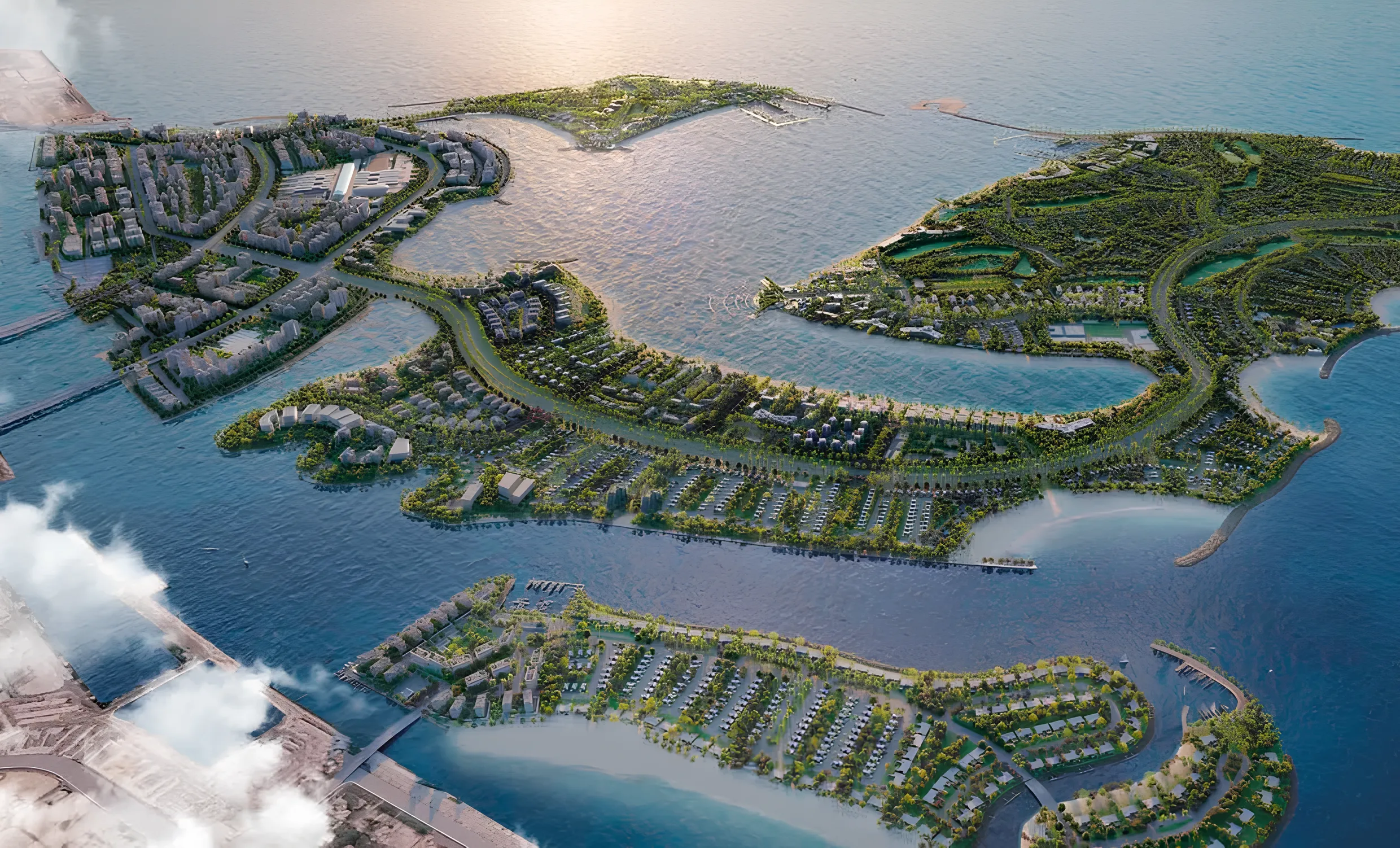
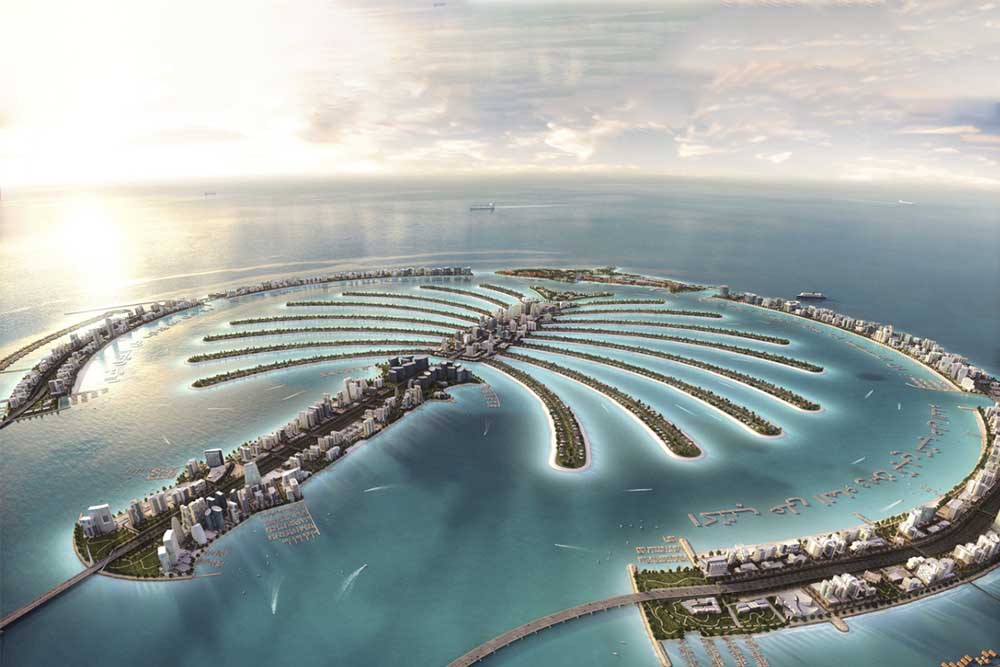
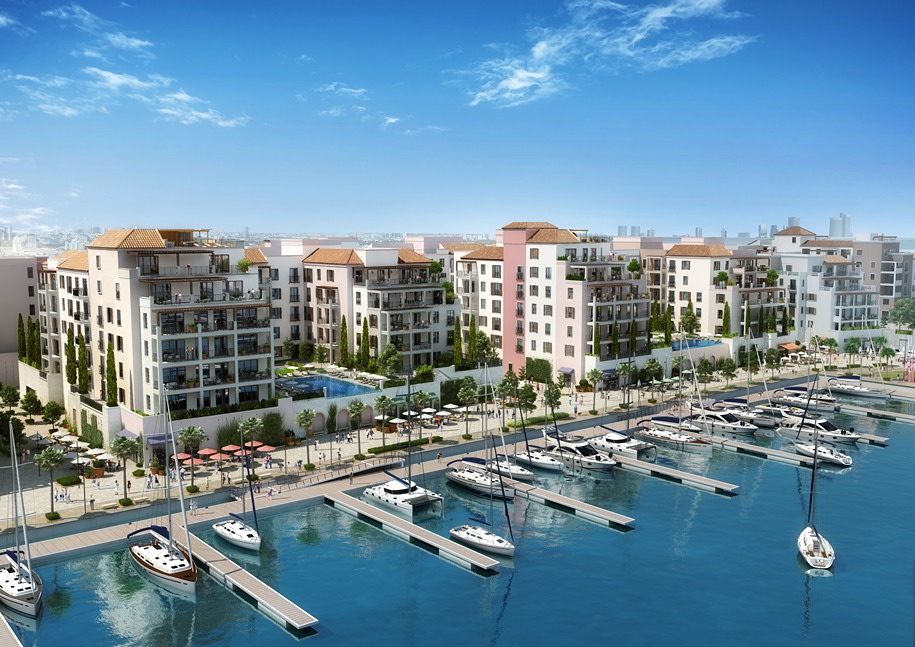
Dubai Marina, Dubai Creek Harbour, Dubai Islands, Emaar Beachfront, Rashid Yachts & Marina and Dubai Maritime City offer different forms of waterfront living. Buyers should evaluate accessibility, construction activity, community completion, view protection and competing inventory.
Family-Focused Neighbourhoods
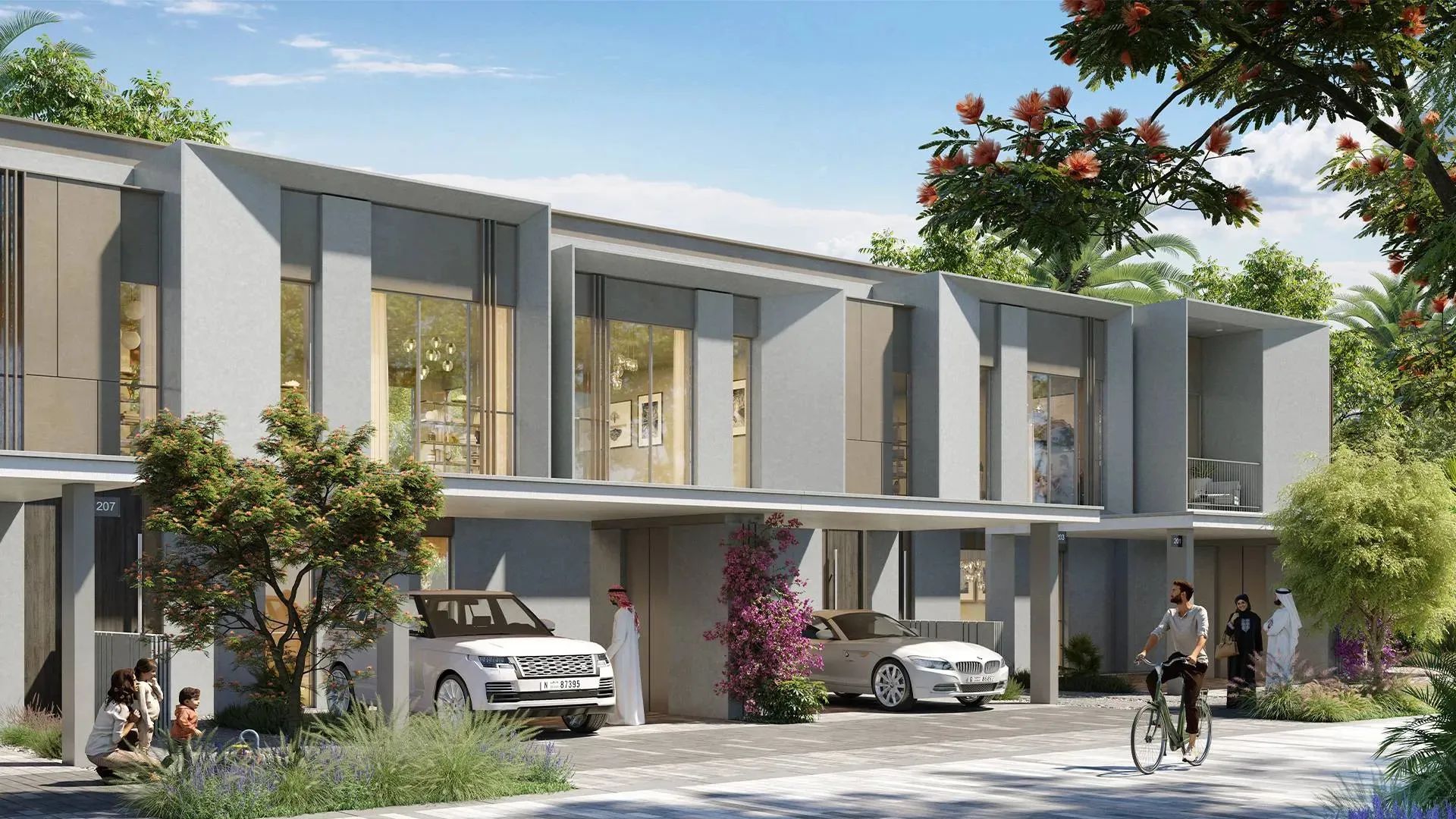
Dubai Hills Estate and Jumeirah Village Circle can attract residents seeking schools, parks and daily services. Building quality, larger layouts and convenient access to amenities can influence longer-term tenant demand.
Growth Corridors
Dubai South and areas near Expo City are longer-term propositions connected to infrastructure, employment and urban expansion. They may suit patient investors who understand that community growth occurs in phases. Decisions should rely on confirmed plans and realistic demand.
How to Evaluate Apartments for Sale in Dubai for Investment
A disciplined comparison process can help investors separate a promising asset from an attractive marketing presentation. When reviewing apartments for sale in Dubai for investment, consider the following factors.
1. Define the Target Tenant
Start with the likely occupant. A professional working in a central district may prioritise commute time and transport links. A family may value schools, storage, parks and larger living areas. A lifestyle tenant may focus on water views, beach access or hospitality-style amenities. The property should match a clear source of demand.
2. Study the Micro-Location
Review the building’s exact position, road access, surrounding plots, noise and distance from essential services. Two towers in the same district can deliver different outcomes.
3. Assess Unit Efficiency
Examine room proportions, natural light, balcony usability, storage, privacy and furniture placement. Efficient layouts can appeal to more tenants and buyers.
4. Review the Developer and Building
For off-plan property, assess delivery history, quality and after-sales reputation. For ready property, inspect common areas, parking, facilities and maintenance standards.
5. Compare Supply and Demand
Compare current demand with existing and future supply, using similar apartments in the same building and nearby projects.
6. Calculate the Full Ownership Position
Assess rent against service charges, maintenance, furnishing, vacancy, management and transaction costs. Model conservative and expected scenarios rather than relying on gross yield alone.
Understanding Rental Yield and Capital Growth
High rental yield apartments Dubai often attract attention, but headline yield should not be the only decision metric. A higher advertised return may reflect a smaller unit, an emerging location or greater leasing volatility. Conversely, a premium apartment may offer a lower initial yield but stronger tenant stability, scarcity or long-term resale appeal.
Rental yield measures income relative to the property’s value, while capital growth refers to an increase in the asset’s value over time. They are related but not identical. An income-focused investor may prefer a completed apartment with established rental evidence. A growth-focused buyer may consider an off-plan residence in a developing district, accepting a longer period before rental income begins.
A balanced assessment should include:
- Realistic annual rent based on comparable units
- Expected vacancy and leasing costs
- Annual service and maintenance obligations
- Furnishing or improvement expenses
- Future competing supply
- Community infrastructure and development progress
- Likely resale audience and exit liquidity
No return should be assumed. The purpose of analysis is to make uncertainty visible and manageable.
Important Due Diligence Before Buying
Property investment requires legal, financial and technical checks. Buyers should verify ownership or project information through official Dubai Land Department services and use qualified professionals when reviewing contracts. Off-plan investors should confirm that the development and transaction follow applicable registration requirements. Ready-property buyers should check the title deed, property status and any relevant building or seller documentation.
An investor should also review:
- The sales and purchase agreement
- Payment and completion obligations
- Handover and defect provisions
- Service-charge information
- Agency and management arrangements
- Mortgage conditions, where applicable
- Residency or tax implications relevant to personal circumstances
International buyers should obtain independent legal and tax advice in their home jurisdiction when necessary. Regulations, financing terms and individual circumstances can change, so current professional guidance is essential.
Building a Clear Dubai Property Investment Strategy
Before searching, define the desired result: regular rental income, long-term appreciation, personal use or diversification. Establish the holding period and acceptable risk. Shortlist communities by tenant demand and infrastructure, then compare buildings consistently across location, developer, layout, costs, supply and exit potential.
Why Work With OffplanDXB.ai?
The volume of available projects can make the market difficult to navigate. OffplanDXB.ai helps buyers explore off-plan and ready opportunities across sought-after communities and developers. Its property search, area information and advisory support allow investors to compare options by location, property type and objective. This is particularly useful for overseas investors who need local context and current availability.
Conclusion
Investment apartments Dubai can offer a compelling combination of rental demand, ownership choice and long-term potential, but strong results depend on disciplined selection. The most suitable apartment is not necessarily the newest, largest or most heavily promoted. It is the property that fits a defined tenant audience, performs under realistic assumptions and supports the investor’s financial timeline.
By comparing locations, layouts, developers, ownership costs and future supply, buyers can approach Dubai property with greater confidence. Whether the objective is an off-plan opportunity in a growing district or a completed home in an established community, informed analysis should guide every decision.